
Central European Conference Cities
Prague — Historic Conference Venues, Old Town Atmosphere and Modern Events
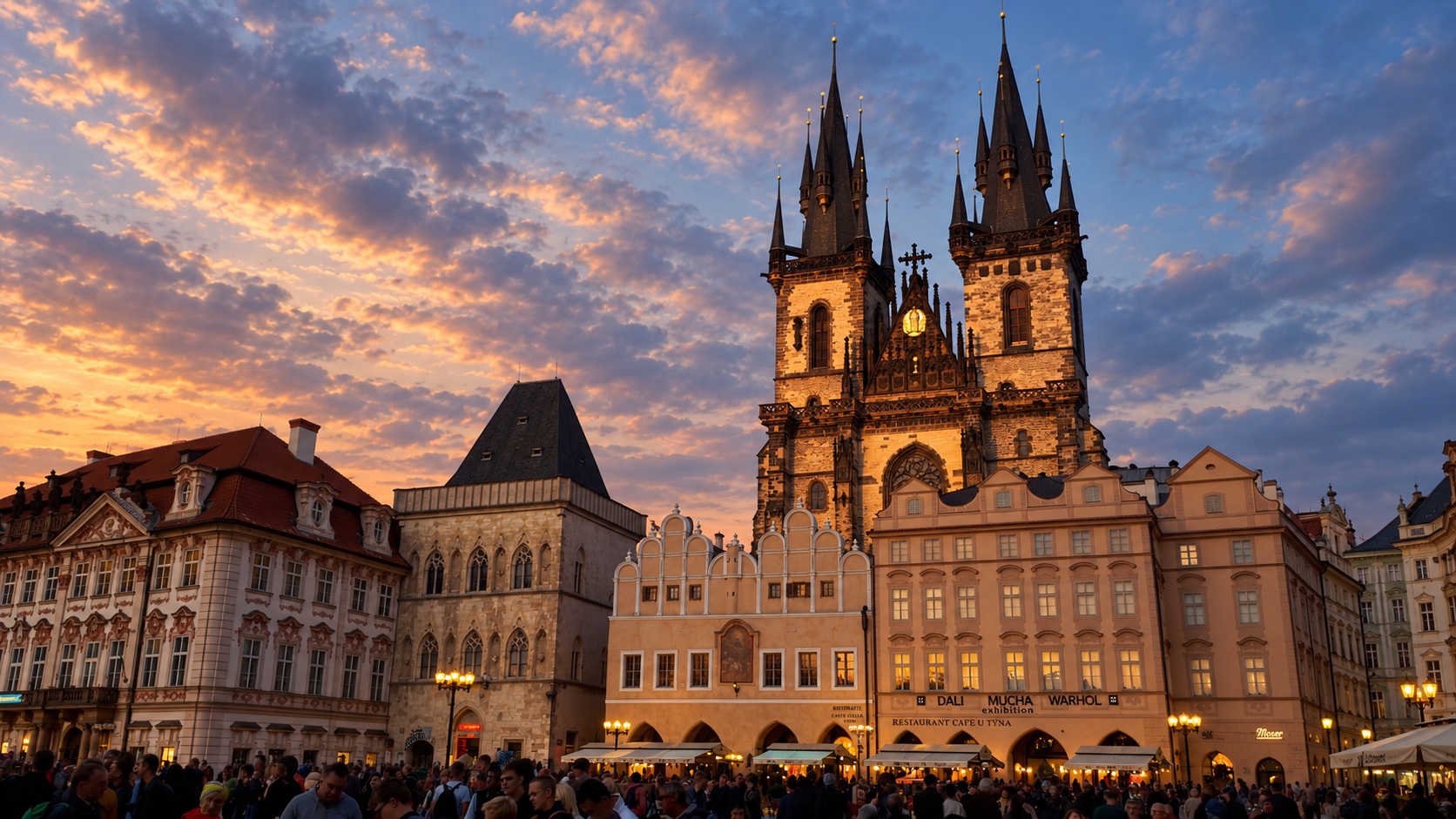
Prague conference venues combine modern international events with one of Europe’s most historic city centres, creating a very different working environment from newer conference destinations.
The Old Town, the river, the bridges and the historic architecture give Prague a very different atmosphere from a purpose-built business destination. For delegates, that can make an event feel memorable before the first presentation even begins.
For conference production, however, historic cities also demand careful planning. Access, loading, room layouts and technical requirements all need to work within buildings and streets that were never designed for modern audiovisual systems.
Prague Conference Venues in a Historic City

My Favourite Prague Hotel
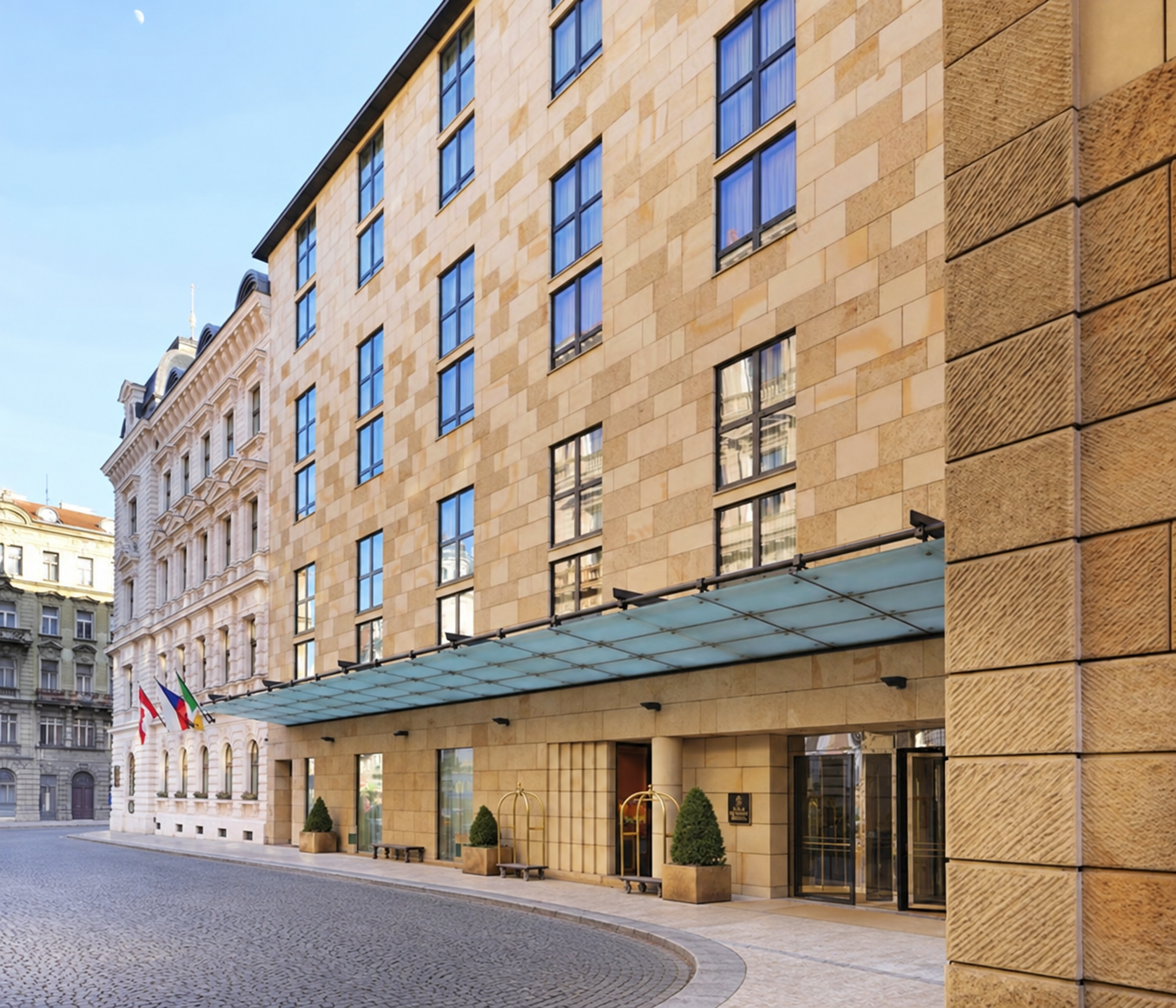
Four Seasons Hotel Prague
The Four Seasons Prague was one of my favourite hotels in the city, not only because of the quality of the hotel itself, but because of its location.
It sits in the Old Town close to the Vltava River, which runs through the heart of Prague and helps define the character of the city.
For delegates, that location gives the hotel an enormous advantage. You can finish a conference session and, within a short walk, find yourself among some of the most recognisable streets, buildings and views in Prague.
That is something I always valued in European conference cities. A good venue should work operationally, but if it also gives delegates easy access to the destination itself, it adds another layer to the event experience.
A Prague Memory I Still Remember
The AC Sparta Praha Shirt
When I travelled for conferences, I often bought football shirts for my son from the different cities I visited.
When he found out I was going to Prague, he immediately asked me to bring back an AC Sparta Praha shirt.
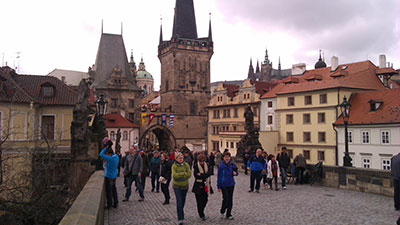
Near the historic Charles Bridge in the Old Town, I found a sports shop and asked the assistant if they had a Sparta Praha shirt.
His reaction stayed with me.
He was genuinely delighted that an English boy wanted the shirt of a Prague football club. What had started as a simple request from my son suddenly became one of those small personal exchanges that you remember long after the trip itself.
That is one of the things I enjoyed about working across Europe. Conference travel was often intense, but small moments like this connected the job to the city in a much more personal way.
Historic City, Modern Production
Working with Prague Rather Than Against It
Prague is a good example of why historic conference destinations need a different mindset from modern purpose-built venues.
Beautiful rooms and historic surroundings can create an extraordinary event, but they can also bring restrictions. Floor loading, rigging, power, equipment access and loading routes may all need more careful consideration than they would in a modern convention centre.
The mistake is trying to force the building to behave like a black-box conference venue. The better approach is to understand the restrictions early and design the production around them.
When that is done well, the architecture stops being an obstacle and becomes part of the reason the event feels special.
Conference Planning
What Prague Taught Me About Historic Venues
Prague reinforced a lesson that applies across many of Central Europe’s historic cities: the venue itself has to become part of the technical planning.
You need to know what can be loaded in, what can be hung, how much weight the floor can take, where the power comes from and what restrictions apply before the production design is finalised.
It is much easier to change a technical plan during a site visit than it is to discover on the morning of the event that the equipment you designed cannot be installed.
Respect the building, understand its limitations and use its character rather than trying to hide it. In a city like Prague, that approach can produce an event that delegates remember for years.
Practical Lessons from Real Events
Planning a Conference in Central Europe?
The European Conference Survival Guide explores the practical realities of international venue planning, including technical restrictions, suppliers, logistics, audiovisual systems and the details that should be resolved before the delegates arrive.