
Major International Conference Hubs
Paris — Scale, Prestige, Complex Logistics and a City That Challenged Me
Paris conference venues gave me some of the most challenging working experiences of my European event career, particularly when scale, transport and local working practices combined.
I worked there many times over the years, and there were undoubtedly excellent venues, professional crews and people who were extremely helpful. But I also found some — and I emphasise some, certainly not all — local working relationships more difficult than I experienced elsewhere in Europe.
At times I had the impression that visiting British production crews were viewed as if we were coming in to do work that should have been done locally. Communication could also become difficult. On some projects, unless we made the effort to communicate in French, progress could be frustratingly slow.
That was very different from my experiences elsewhere in France. I loved working around Nice and Juan-les-Pins, where I found the atmosphere much more relaxed and enjoyable.
Paris Conference Venues and the Reality of Scale
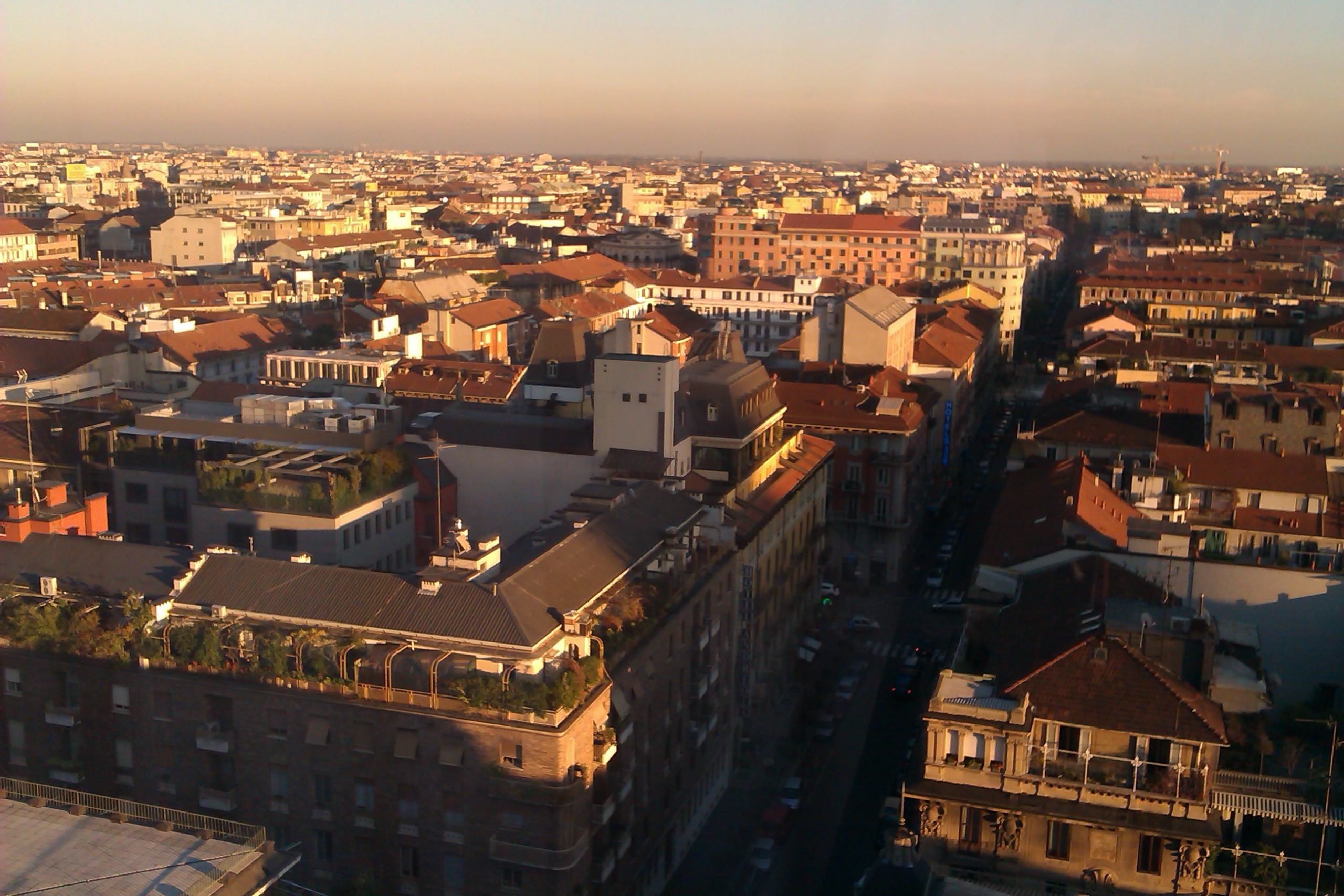
Working in a Major European Capital
Paris Was Never an Easy Conference City for Me
Paris has everything required for major international events: large hotels, enormous conference facilities, experienced suppliers, excellent transport connections and a global reputation.
But scale does not automatically make an event easier to deliver.
Traffic, loading arrangements, large venues, long internal distances and strict working practices can all add complexity. When the production involves equipment, crews, presenters and tight rehearsal schedules, those details become important very quickly.
I learned that Paris rewarded preparation. You needed to know exactly where the equipment was going, who was responsible for each part of the installation and how the local venue team expected the work to be carried out.
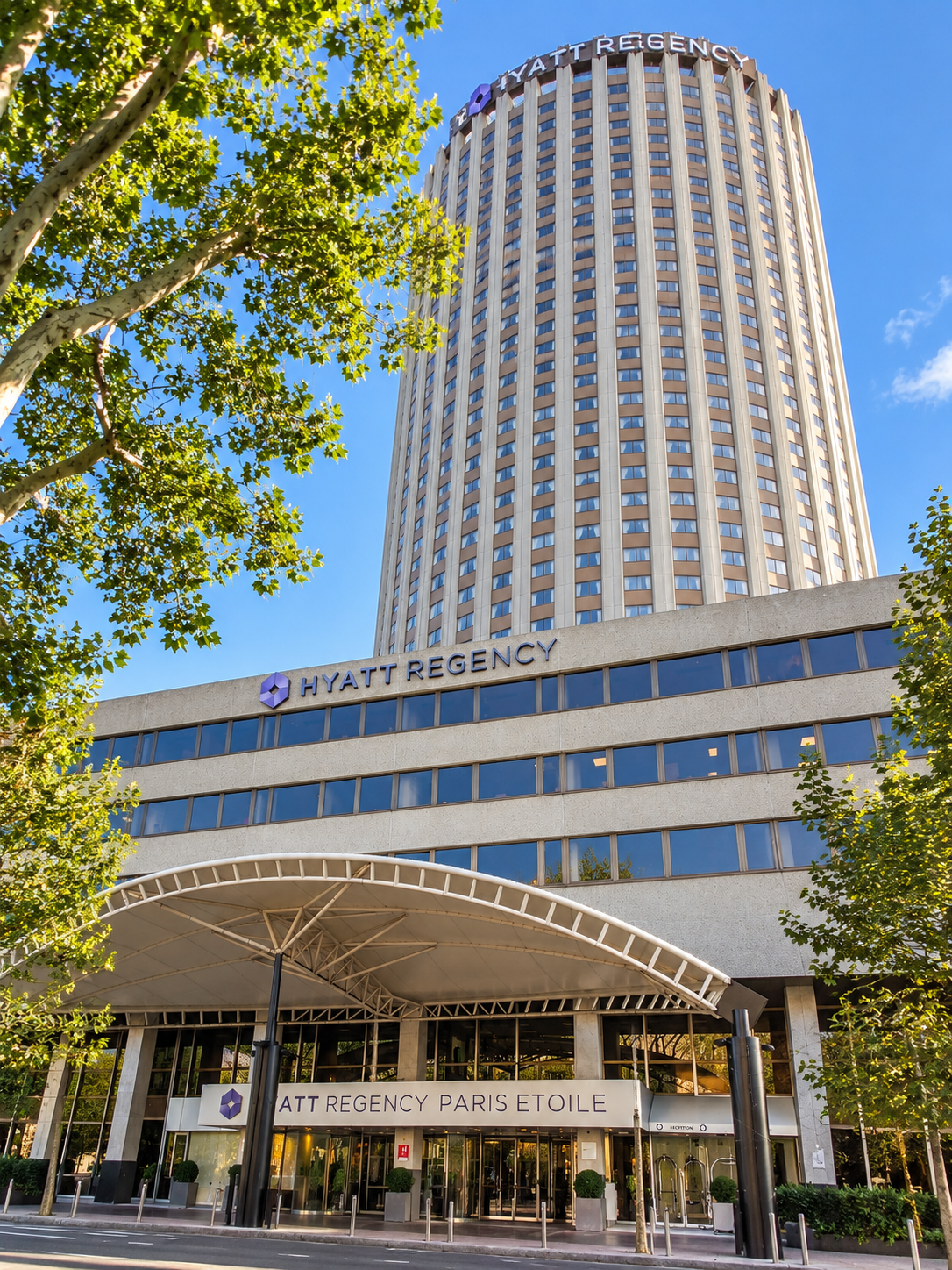
One of My Least Favourite Paris Venues
Concorde La Fayette and Palais des Congrès
I worked at the former Concorde La Fayette many times. The hotel is now the Hyatt Regency Paris Étoile and sits beside the Palais des Congrès.
Unfortunately for me, it was never a venue I particularly enjoyed working in.
The biggest problem was simply the scale of the place. The hotel and adjoining conference environment felt enormous, and that creates practical issues that do not exist in a smaller hotel.
When venues become this large, every movement takes longer. Equipment may have further to travel, crews spend more time moving between working areas, and something as simple as collecting a forgotten cable can turn into a significant interruption.
Large venues certainly have advantages when you need capacity, but bigger does not automatically mean better from a production point of view.
The Mega-Venue Problem
Far Too Big — At Least for the Events I Was Producing
My reaction to the Concorde La Fayette and Palais des Congrès was always much the same: it was simply too big for the kind of working environment I preferred.
A large international venue can absorb thousands of delegates and multiple events simultaneously, but that scale introduces its own logistics.
Production offices, loading areas, meeting rooms and technical control positions may be separated by considerable distances. Crew communications become more important, additional time needs to be built into the schedule and equipment movements have to be planned properly.
This is why I have always preferred venues where the production team can stay physically connected to the event rather than feeling as though they are working in different parts of a small city.
When the Transport System Stops Working
Gare du Nord and the Reality of Travel Disruption
Conference planning does not stop at the hotel entrance. Getting the crew, speakers and delegates into and out of the city can be just as important as what happens inside the meeting room.
Paris reminded me of that repeatedly.
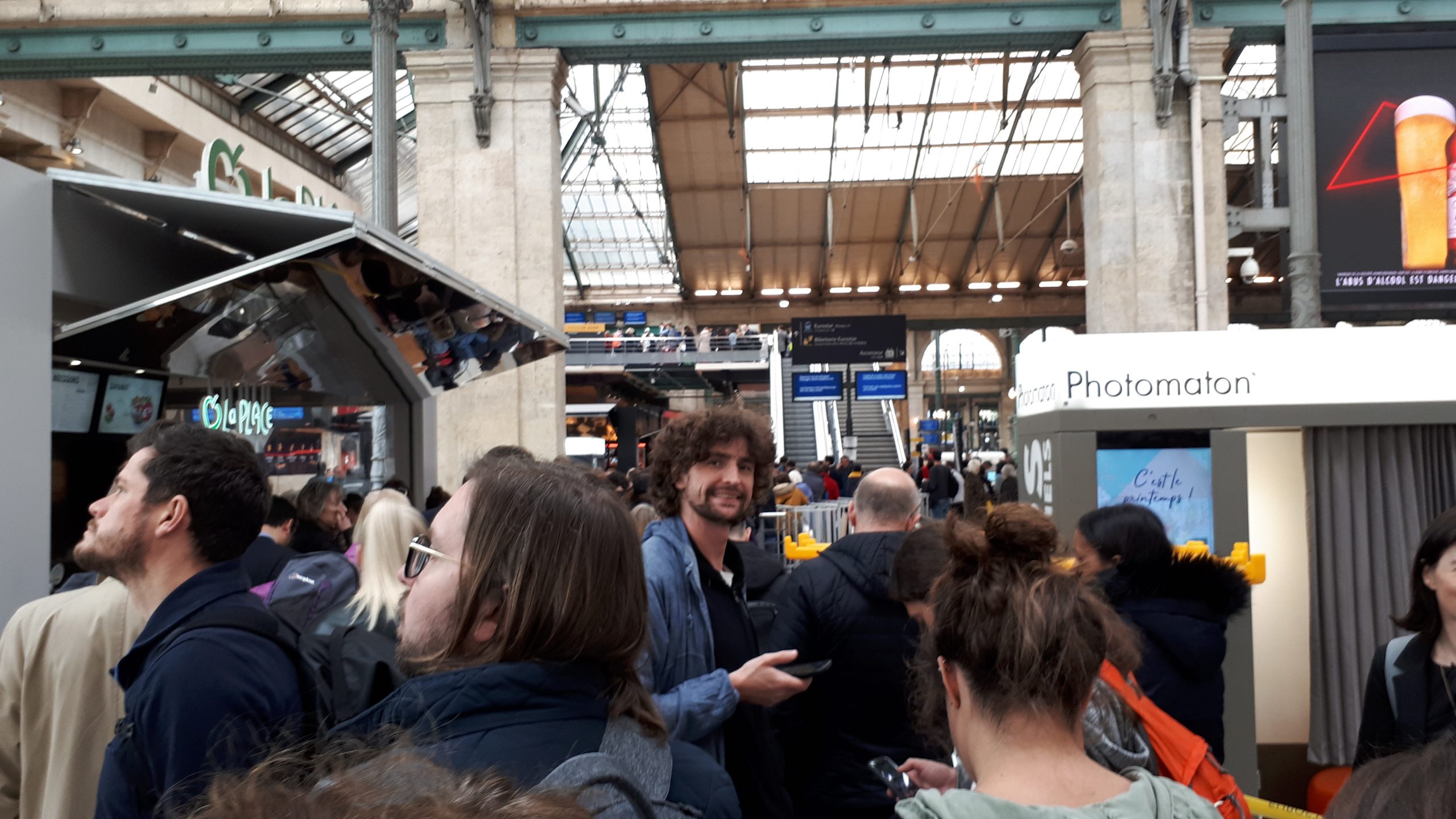
On one journey through Gare du Nord in 2019, strike disruption resulted in an enormous queue.
When you are travelling for work, disruption like this can immediately affect the next part of the schedule. A delayed train does not only mean arriving late at the hotel. It can mean losing rehearsal time, missing a technical briefing or putting pressure on an installation programme that was already tight.
Build Transport Risk into the Schedule
In a major city, never assume that the fastest theoretical journey is the journey you will actually get.
Allow enough time for traffic, strikes, station queues, security checks and the unexpected.
A Paris Hotel I Did Enjoy
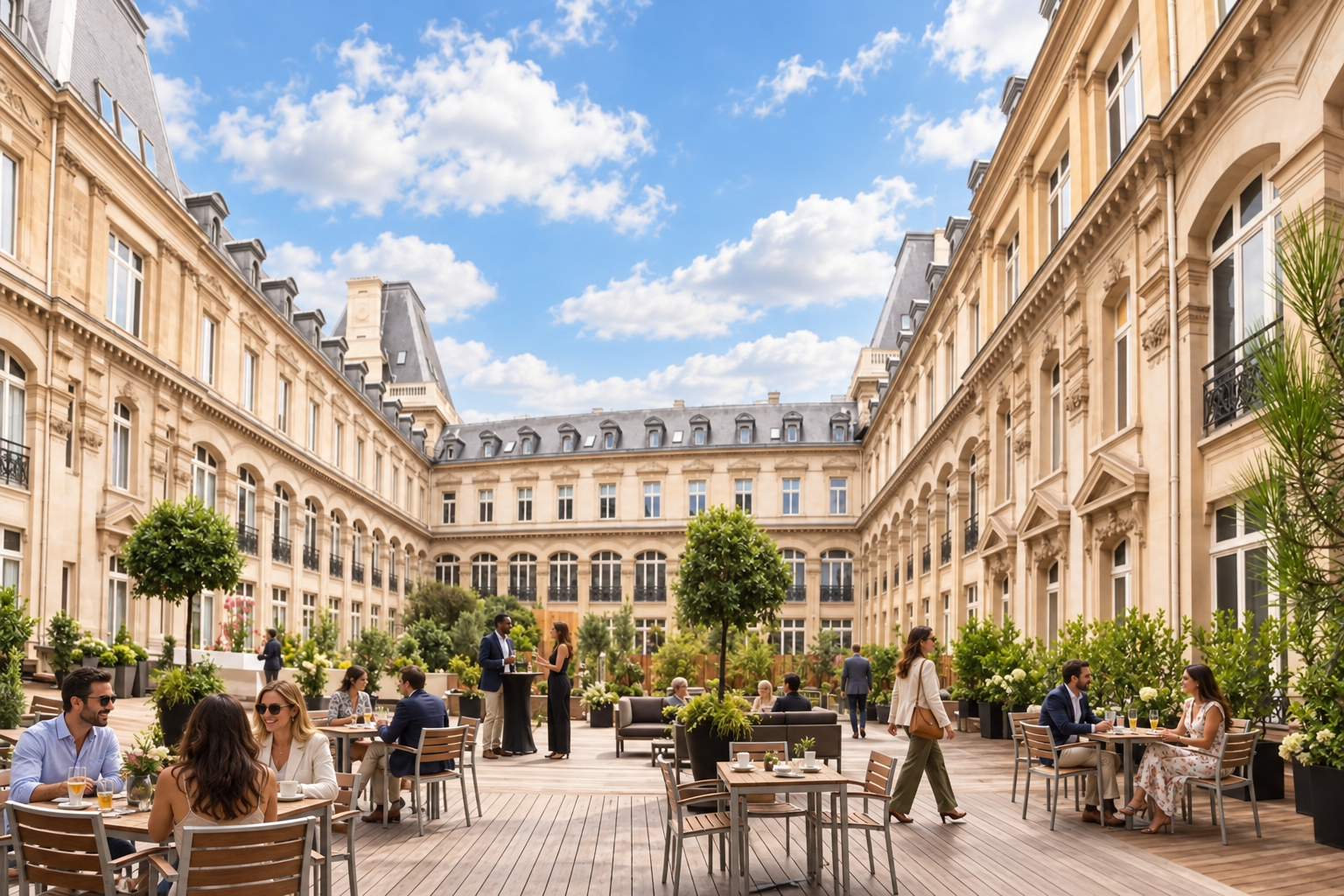
Crowne Plaza Paris
The Crowne Plaza was a very different experience and one of the Paris hotels I genuinely enjoyed working in.
It was a much smaller and more manageable environment than some of the enormous convention hotels elsewhere in the city.
I worked on many Investment Europe events there, and that repeated experience made the hotel increasingly familiar.
For the kind of corporate meetings we were producing, I preferred that more contained atmosphere. The conference felt easier to manage, the working areas were more connected and the venue suited the scale of the event.
It was a good example of why I often preferred smaller conference hotels. The venue still had the professional standards required for an international event, but the production team remained much closer to the meeting rooms, delegates and client.
After the Conference Day
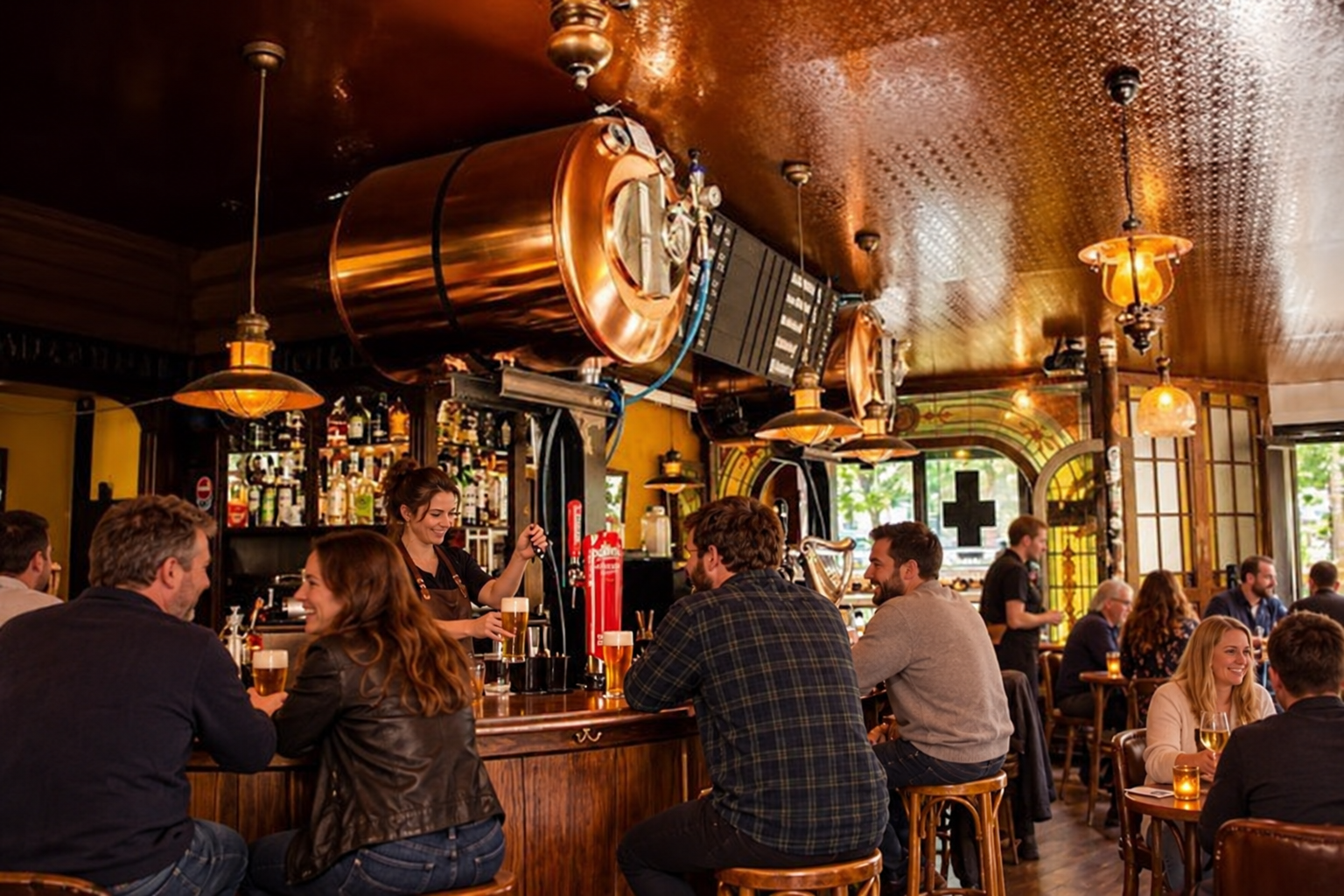
The Black Mad Crawer Pub
Whatever difficulties we sometimes experienced during the working day, there were still places in Paris where the crew could finally switch off afterwards.
The Black Mad Crawer became one of our favourite evening stops.
After hours dealing with conference schedules, technical systems, local working practices and the sheer scale of some Paris venues, being able to sit down together over an evening meal was always welcome.
Those crew evenings were often when the frustrations of the day disappeared. We could talk through what had happened, prepare mentally for tomorrow and enjoy being in Paris without having to think about the next cue.
Away from the Conference Hall
The Paris I Enjoyed More
My feelings about working in Paris were complicated because the city itself could still be extraordinary.
Once the conference day was finished and the technical problems were behind us, getting outside changed everything.
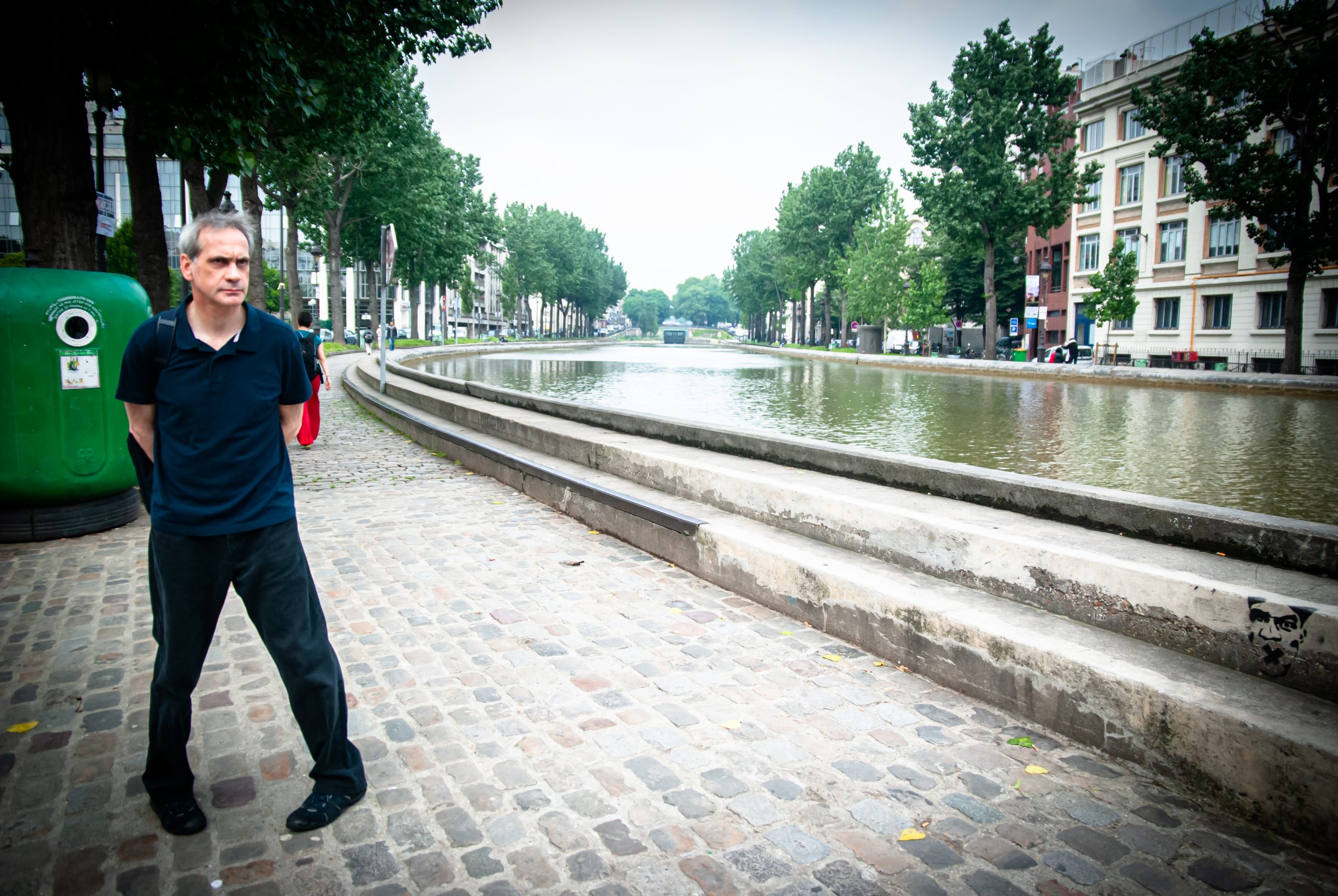
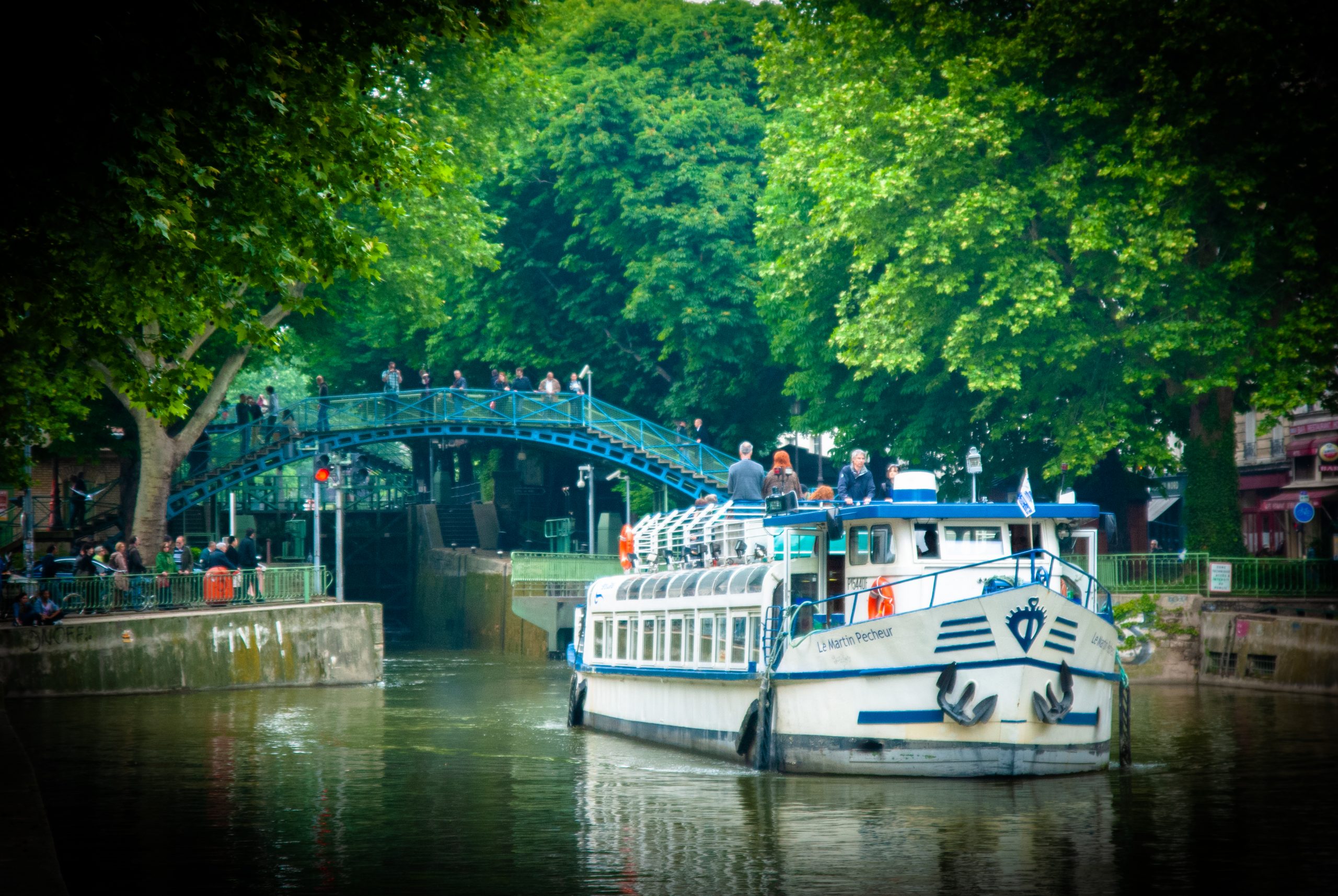
Walking beside the river gave you a completely different view of Paris from the hotel corridors, service lifts and conference halls where most of the working day had been spent.
That contrast is something I experienced in many European cities. You can dislike the practical experience of working somewhere while still appreciating the destination once the job is finished.
A Very Different Experience Elsewhere in France
Paris Was Not My Experience of France as a Whole
It is important for me to make that distinction because some of my favourite conference experiences in France happened much further south.
I loved working around Nice and Juan-les-Pins. The atmosphere felt different, the working relationships were often more relaxed and the Mediterranean setting completely changed the experience after the conference day.
One venue I particularly liked was the AC Hotel Ambassadeur Antibes – Juan-les-Pins.
That contrast reinforced something I discovered repeatedly during my career: you cannot judge an entire country from your experience in one city. Paris had its own working culture and its own pressures. Southern France could feel like another world entirely.
Conference Planning
What Paris Taught Me About Major Conference Hubs
Paris taught me that major conference cities have to be approached on their own terms.
You cannot assume that the working methods you use successfully in London, Amsterdam or Barcelona will translate directly into Paris.
Local relationships matter. Language matters. Venue rules matter. Loading routes, crew timings and the physical scale of the building matter.
Most importantly, you need enough time in the schedule to absorb complexity. In a major international hub, what looks like a small operational detail can quickly become a significant delay.
Paris was never my favourite place to work, but it taught me some very useful lessons.
Practical Lessons from Real Events
Planning a Conference in a Major European Hub?
The European Conference Survival Guide brings together practical lessons from decades of international conference production, including venue selection, local suppliers, technical planning, logistics, crew management and the realities of working across European cities.