
Central European Conference Cities
Munich — Conference Hotels, German Precision and a City I Always Enjoyed Returning To
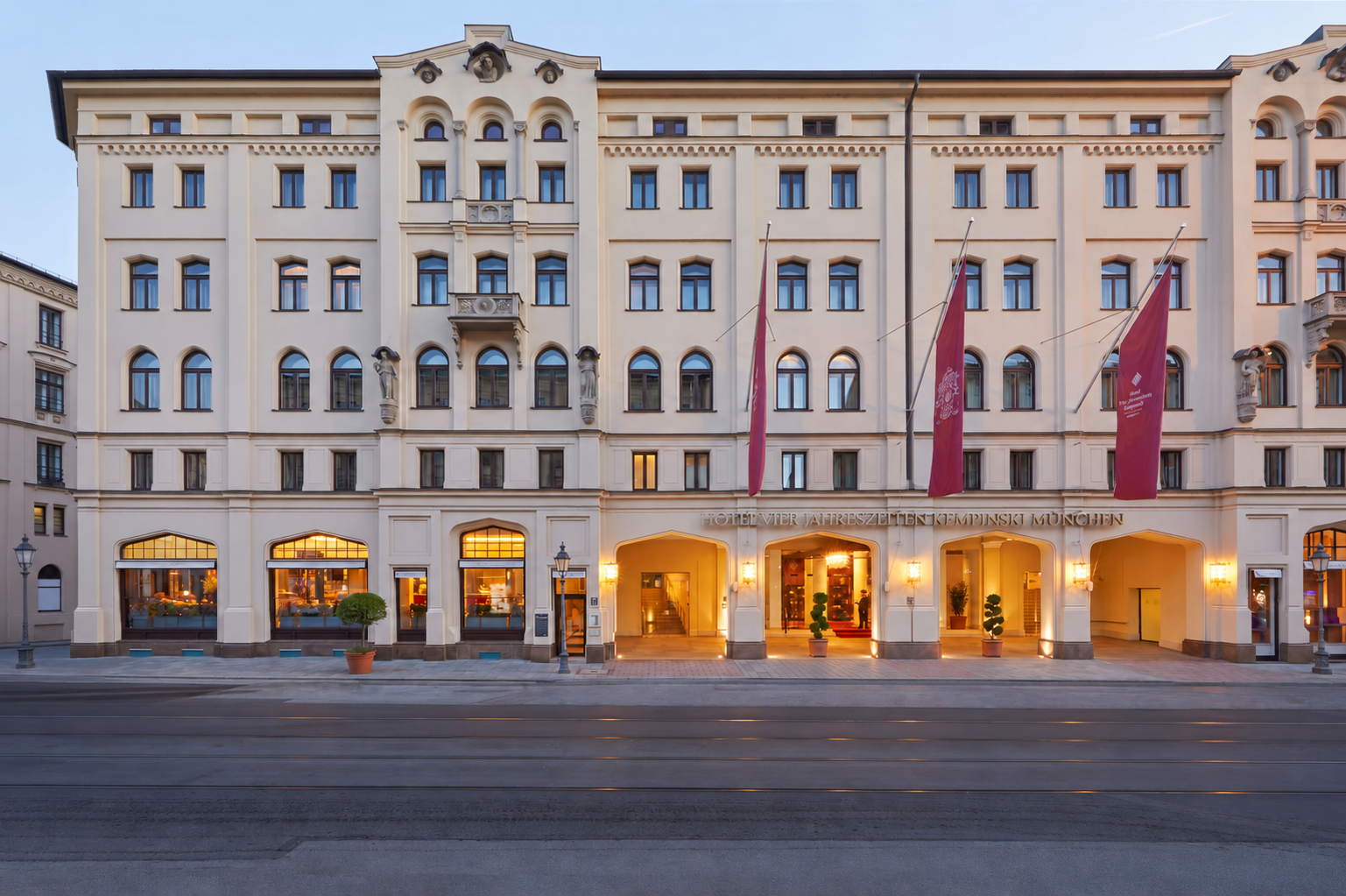
Munich conference venues became an important part of my European working life, particularly the Hotel Vier Jahreszeiten Kempinski, where I returned repeatedly over many years.
For corporate events, Munich combines strong international transport links, major hotels, experienced suppliers and the kind of operational discipline that makes a difference when a conference programme is running to a tight schedule.
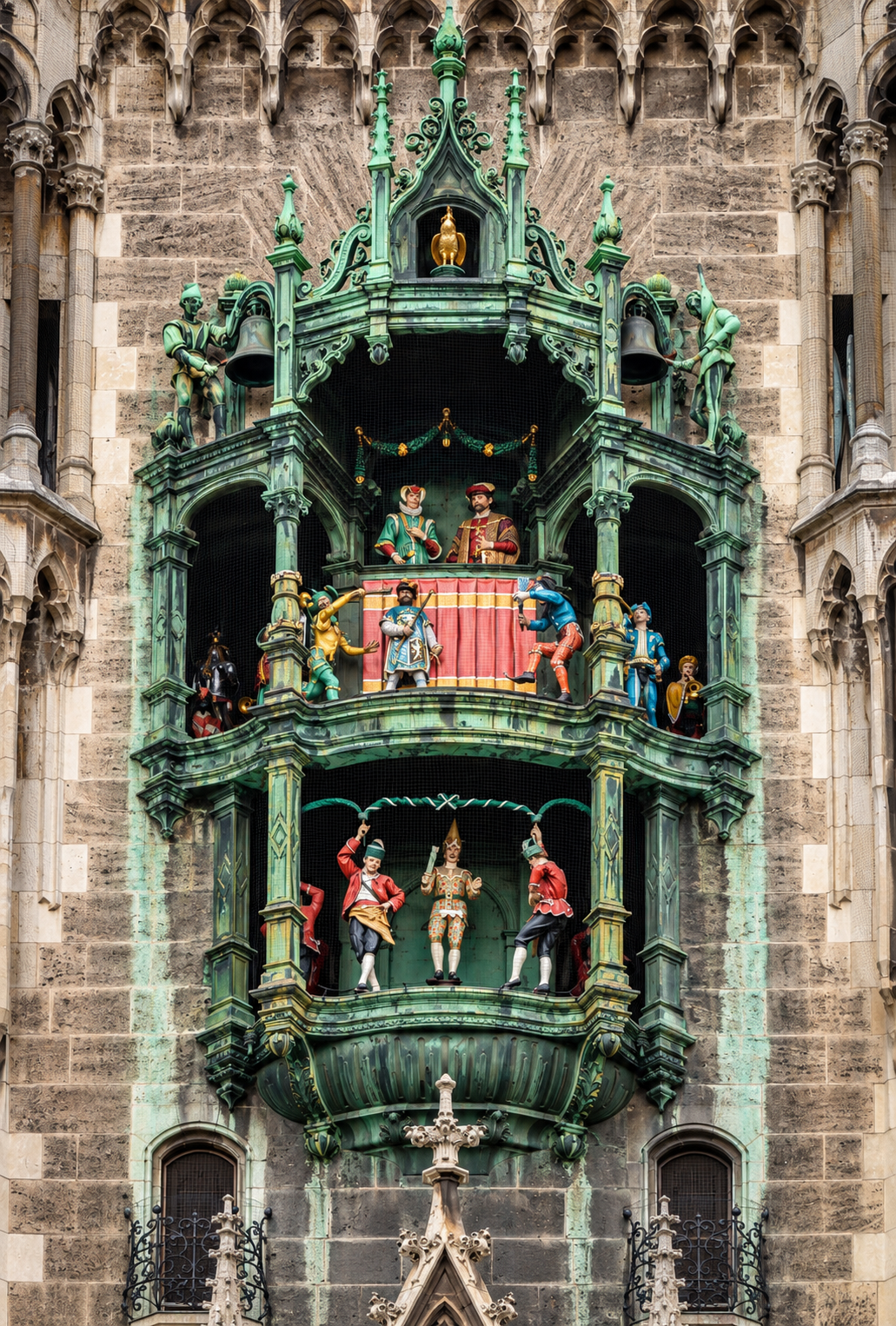
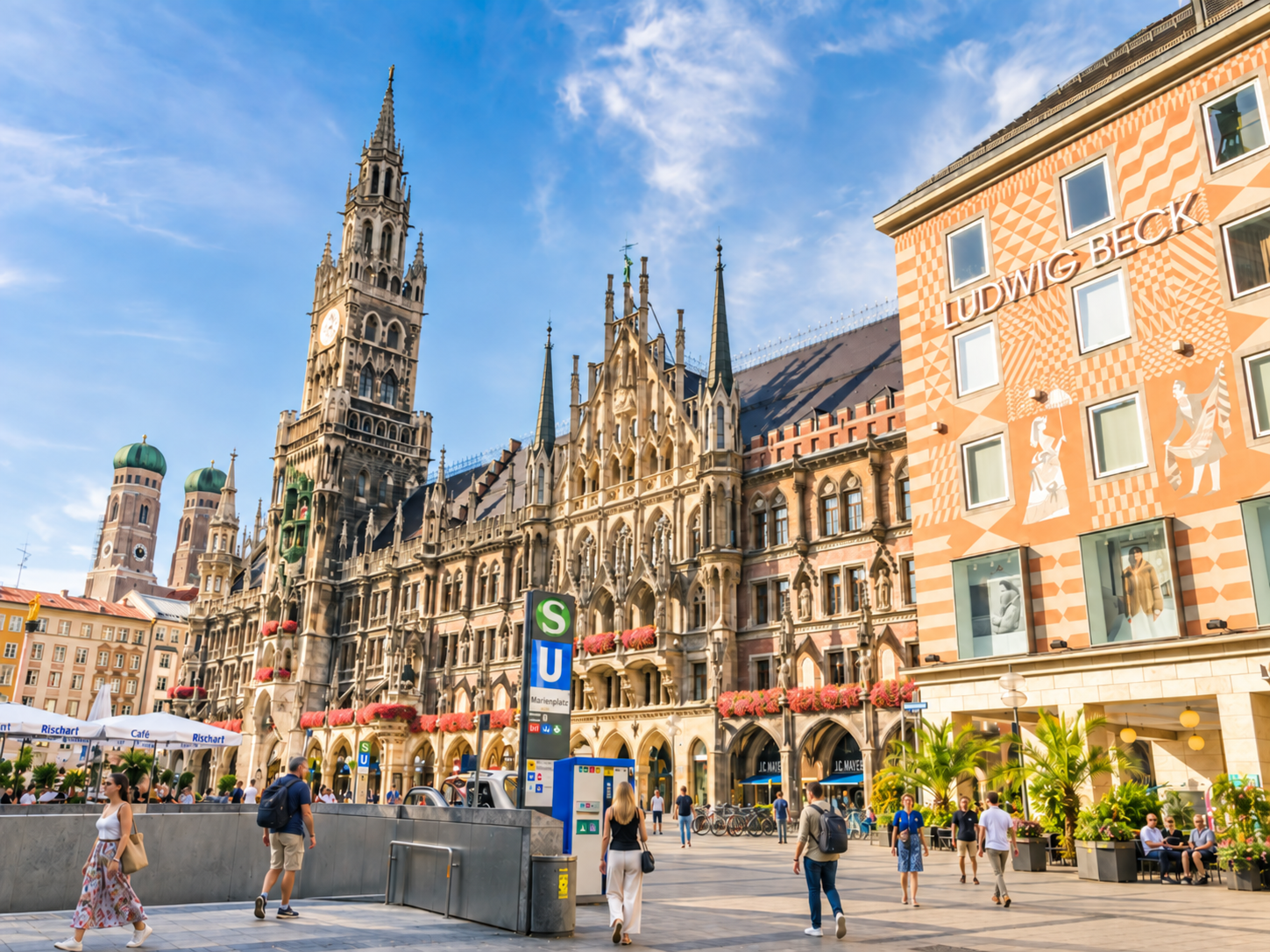
It was also a city where familiar routines developed over time. We had hotels we knew, places we liked to eat, and even small traditions such as trying to get to Marienplatz around midday to watch the Rathaus-Glockenspiel.
Munich Conference Venues I Returned To
My Favourite Munich Hotel
Hotel Vier Jahreszeiten Kempinski Munich
The Kempinski Hotel was my favourite hotel in Munich and a venue I returned to many times over more than two decades.
When you work repeatedly in the same hotel, familiarity becomes a real advantage. You begin to understand the meeting rooms, the working areas, the routes through the building and how the venue team operates.
That knowledge saves time during a conference get-in because you are not discovering everything from scratch. You already have a sense of how the hotel works and what to expect when the production begins.
The Kempinski also had the atmosphere I associate with the best European business hotels: traditional, elegant and professional, but still capable of handling the very practical demands of a modern conference.

Conference Spaces I Knew Well
Traditional Rooms, Modern Conferences
One of the attractions of working at the Kempinski was the contrast between the traditional surroundings and the modern technical systems we brought into the rooms.
Elegant meeting spaces can create a very different atmosphere from a purpose-built convention centre. For executive meetings, pharmaceutical conferences and corporate events, that sense of quality can become part of the overall experience.
But from the technical side, the priorities remain the same. The screens must be visible, the sound must be clear, presentation systems must be reliable and the control position must allow the crew to follow everything happening in the room.
Knowing the Venue Makes a Difference
After returning to the same hotel many times, you begin to know which rooms work well for particular formats, where equipment can be positioned and how to plan the technical installation more efficiently.
That kind of knowledge is difficult to get from a floor plan alone.
A Munich Tradition Between Sessions
Trying to Catch the Glockenspiel
One of our small traditions when working at the Kempinski was trying to find time around midday to walk across to Marienplatz and watch the Rathaus-Glockenspiel.
The famous mechanical clock is in the centre of Munich and was close enough to the hotel that, when the conference schedule allowed it, we could get out of the meeting rooms for a short break and watch the performance.
These small moments mattered during long conference trips. A production schedule can mean spending most of the day inside a hotel, sometimes seeing very little of the city you have travelled hundreds of miles to reach.
Getting outside for half an hour, seeing something unmistakably Munich and then returning to the conference gave us a brief reminder that we were working in one of Europe’s great cities rather than simply another meeting room.
More Than Twenty Years of Visits
What Returning to Munich Taught Me
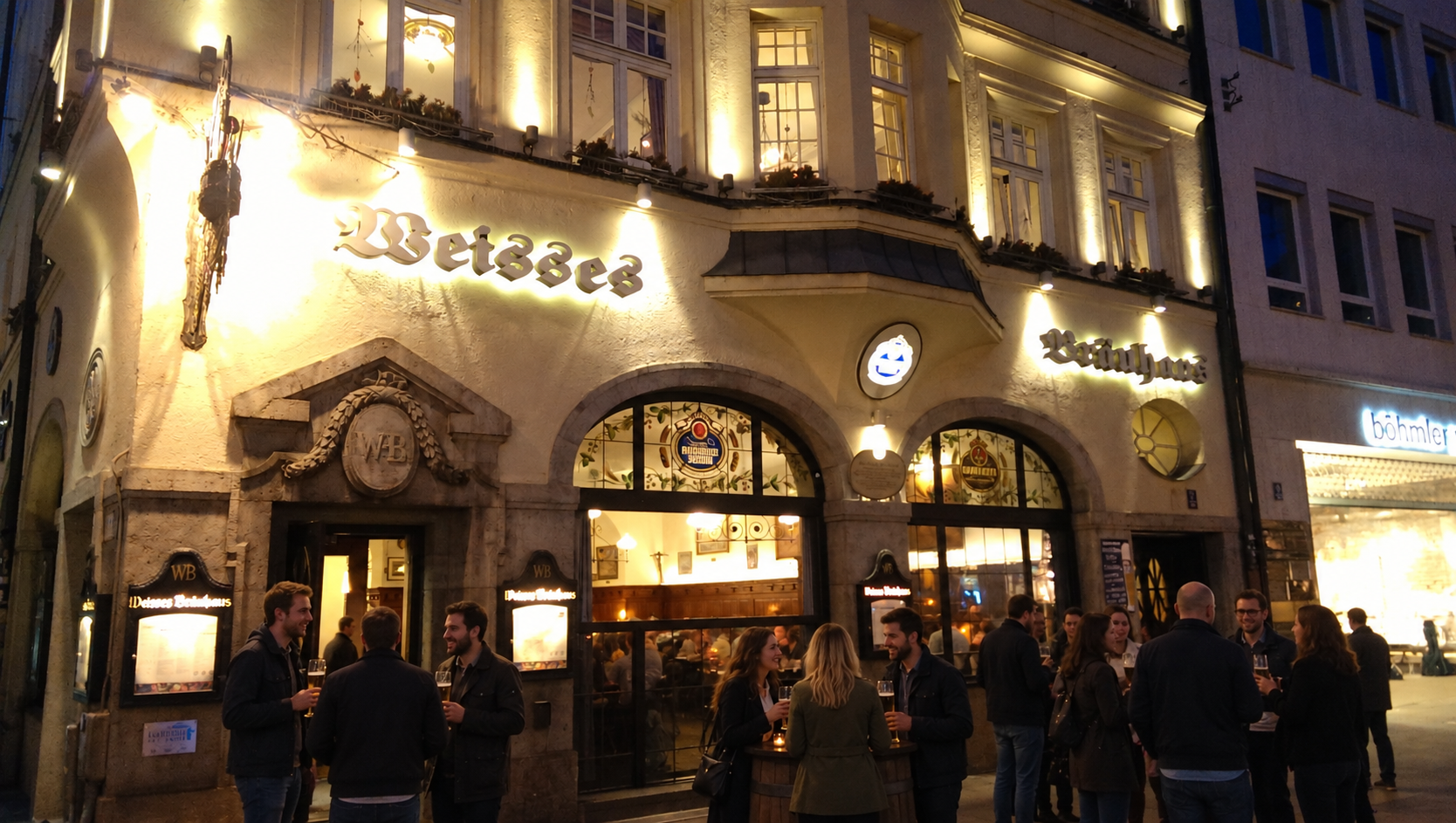
My experience of Munich was built over many visits between 1997 and 2019 rather than one particular conference.
That repeated experience showed me how valuable local familiarity can become. You learn the hotels, the routes, the suppliers, the practical rhythm of the city and the expectations of the people you are working with.
German conference production could be precise and structured, but that suited the way we worked. Good preparation was respected, timings mattered and there was usually a clear expectation that everyone involved understood their responsibilities.
For a technical production team, that creates a strong working environment. Once the planning is right, everybody can concentrate on delivering the event rather than constantly trying to solve problems that should have been identified beforehand.
Conference Planning
Precision Works Best When the Planning Is Precise Too
Munich reinforced one of the most important lessons of international conference work: structured venues and experienced local teams perform best when they receive clear information early.
Technical specifications, timings, loading requirements, room layouts and responsibilities should be agreed before the crew arrives on site.
The better the preparation, the more smoothly the event can run once the doors open.
Practical Lessons from Real Events
Planning a Conference in Europe?
The European Conference Survival Guide brings together practical lessons from decades of international conference production, including venue planning, audiovisual systems, suppliers, logistics and the details that determine whether an event runs smoothly.