
Central European Conference Cities
Geneva — International Conferences, Luxury Hotels and Years of Event Experience
Geneva conference venues were a regular part of my international event work, with major hotels hosting the type of high-level corporate meetings for which the city is well known.
From 1997 to 2019, I worked repeatedly in Geneva, and it became one of those cities where the rhythm of conference life started to feel familiar. Airports, hotels, meeting rooms, crew routines and the practical realities of delivering an event all became part of that working memory.
Geneva has a very particular feel as a conference destination. It is international, polished and businesslike, but it also carries a sense of diplomacy and importance that suits major meetings extremely well.
For conference organisers, that matters. A city like Geneva can shape how an event feels before the delegates even enter the main meeting room.
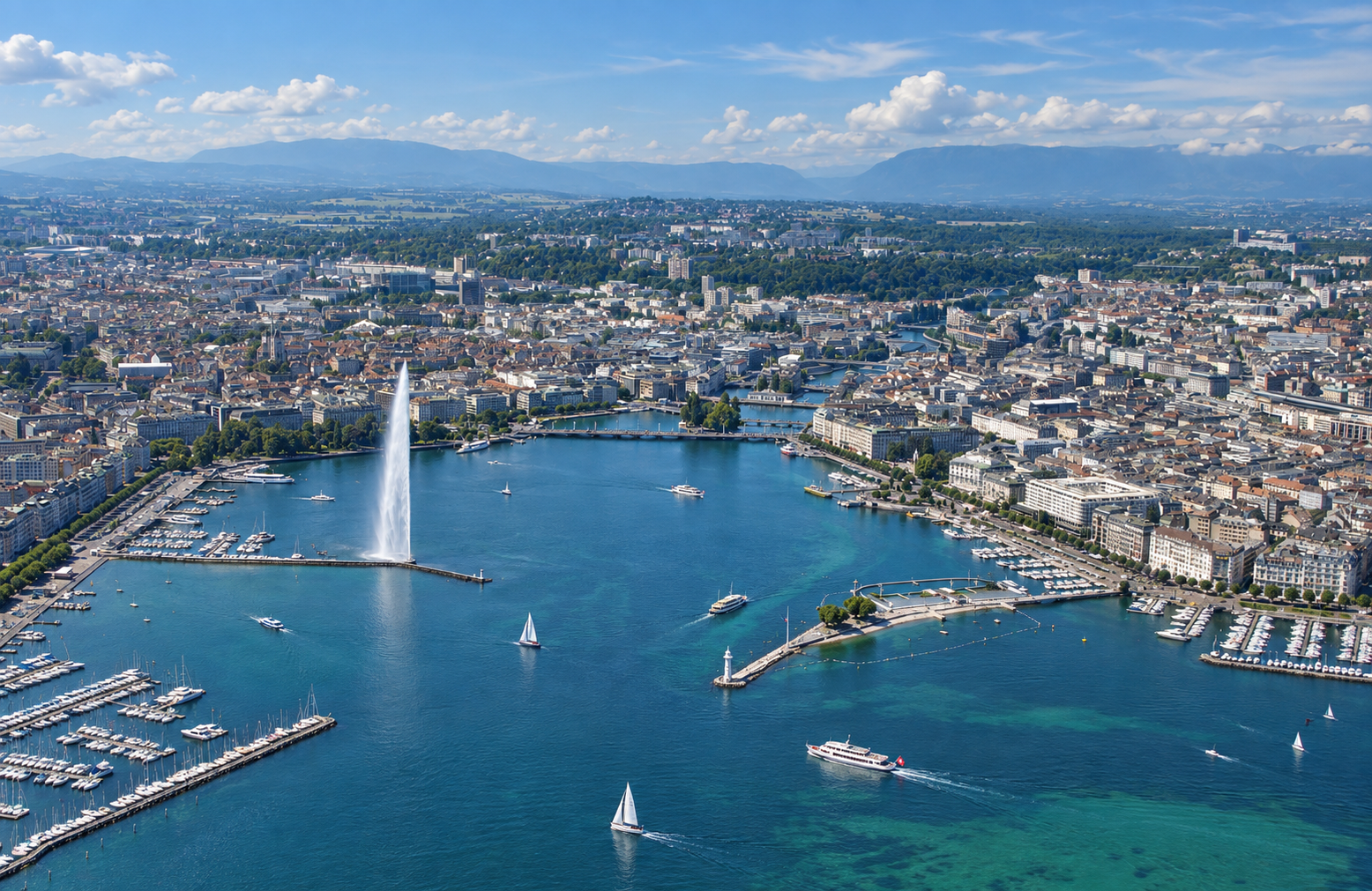
Geneva Conference Venues and International Events
A City Built for International Meetings
Why Geneva Works So Well for Conferences
Geneva is one of those cities that feels naturally suited to international meetings. It has the infrastructure, the hotels, the professionalism and the international atmosphere that major business events need.
It also has a very particular character. Delegates arriving in Geneva are not just arriving at another business destination. They are arriving in a city long associated with diplomacy, international organisations and important conversations.
That sense of seriousness and quality carries through into the hotels and conference venues. For event production teams, Geneva often feels like a city where standards matter and where venues understand what international clients expect.
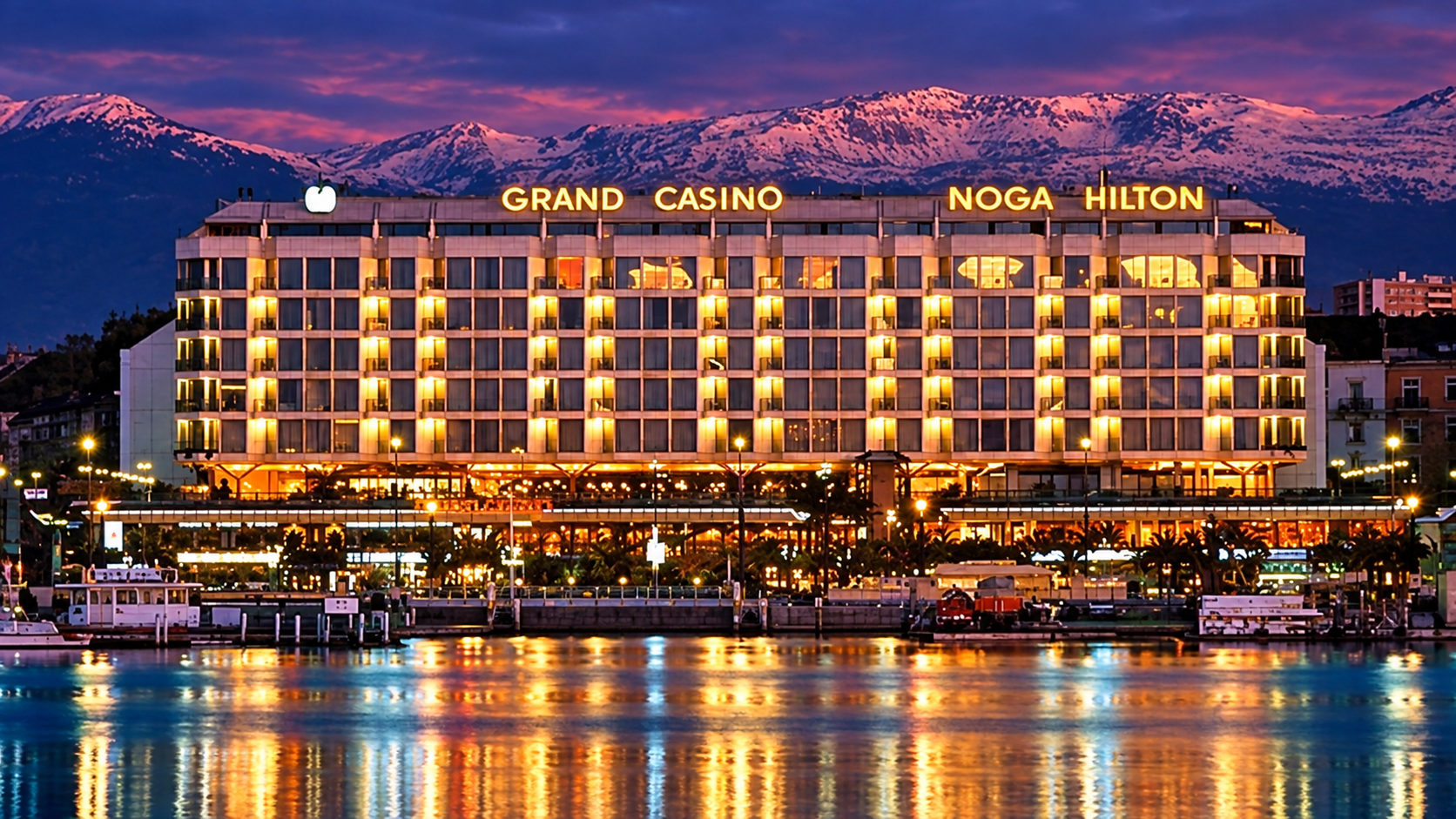
One of My Main Geneva Venues
Hilton Geneva Hotel & Conference Centre
The Hilton Geneva Hotel & Conference Centre was one of the main Geneva venues I worked in over the years.
For conference work, hotels like this offer something especially valuable: substantial meeting facilities combined with the accommodation and hospitality delegates need, all within one property.
That can make a major difference to the flow of an international event. Delegates can arrive, stay, meet, eat and move between sessions without the programme becoming fragmented across several separate locations.
For a production team, that kind of venue creates a more contained working environment, which can be a real advantage when you are managing a complex event schedule.
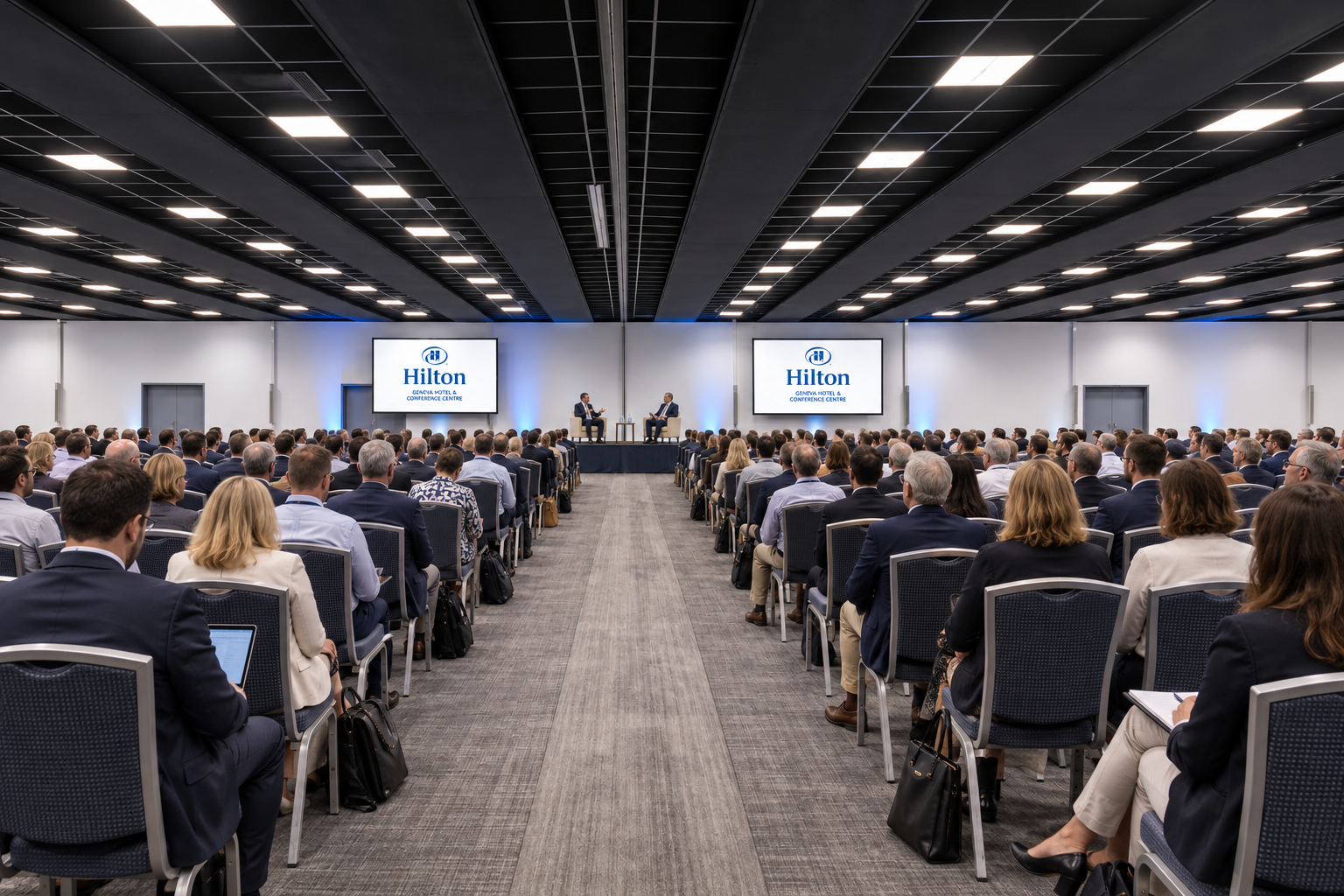
Conference Spaces I Knew Well
Working Inside a Major Geneva Conference Hotel
When you work repeatedly in a venue, you stop thinking of it simply as a hotel and start understanding it as a working conference environment.
You learn how delegates move between the meeting rooms, how the venue team operates, where technical equipment can be positioned and what parts of the building become important once the conference is under way.
That kind of familiarity is extremely useful. It means each return visit starts with more knowledge than the last one, and that knowledge helps the event run more smoothly.
Familiarity Reduces Friction
Every time you return to the same conference venue, a little less time is spent learning the building and a little more time can be spent delivering the event properly.
That is one of the real advantages of repeated experience in cities like Geneva.
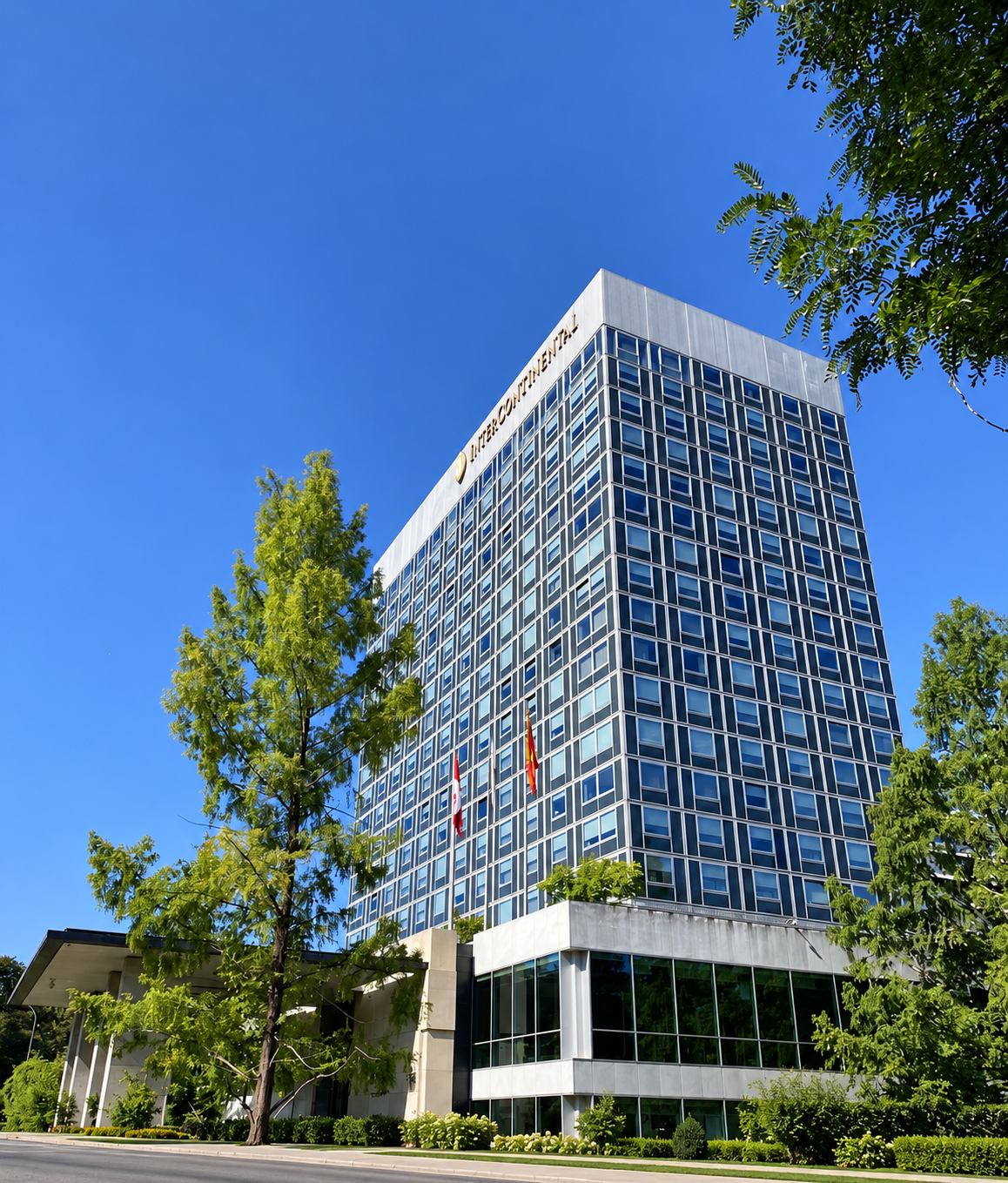
Another Favourite Geneva Venue
InterContinental Hotel Geneva
The InterContinental Hotel Geneva was another venue I worked at regularly over the years.
Having more than one familiar hotel in the same city is valuable because it gives you a better understanding of how the destination works overall rather than only how one property operates.
Different hotels create different delegate experiences. Some feel more self-contained and conference-focused, while others feel more connected to the wider city and the kind of international atmosphere that Geneva is known for.
That wider perspective matters when advising clients or planning where an event might work best.
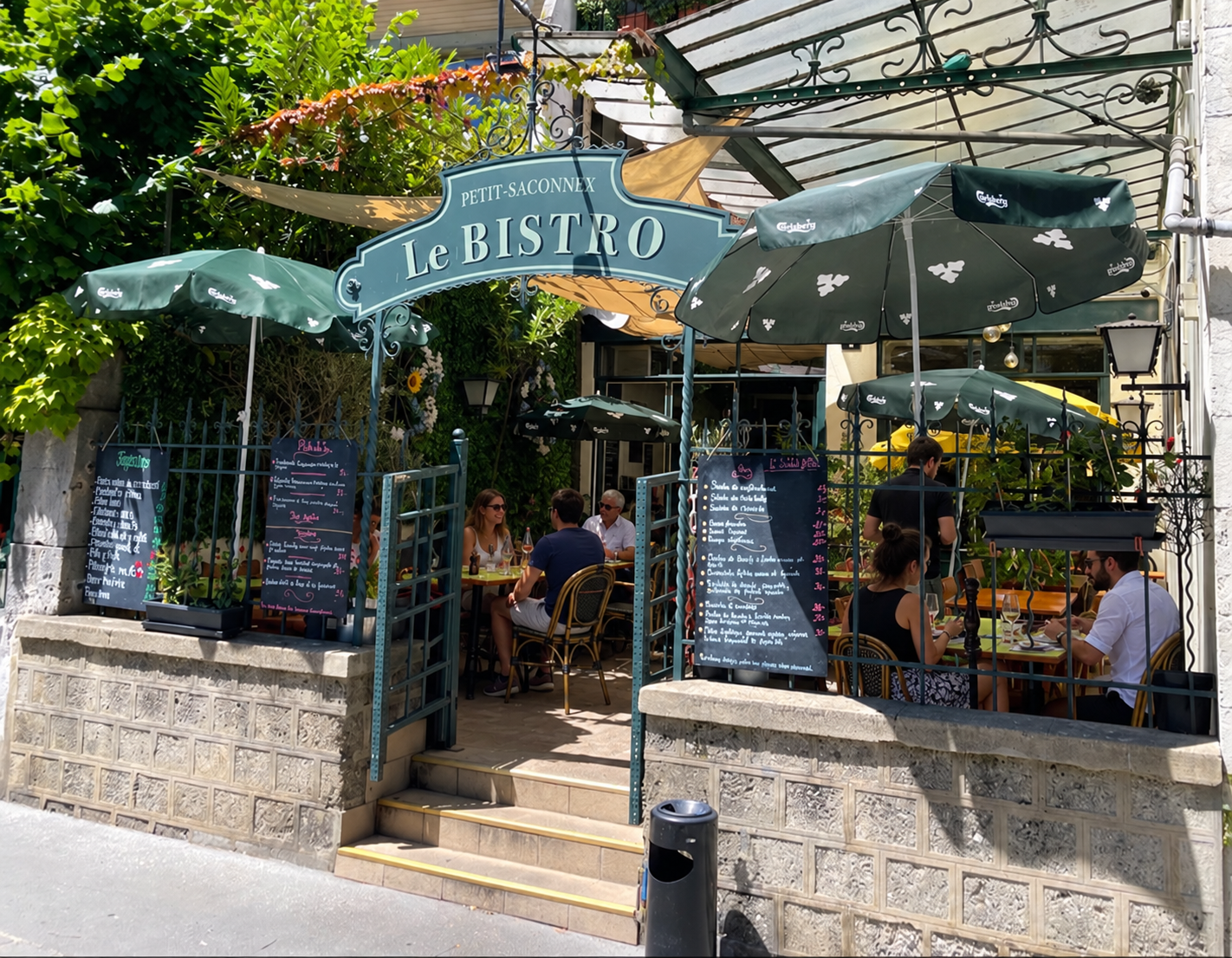
After the Conference Day
Le Bistro Petit Saconnex
Like so many conference cities, Geneva was not only about the venue itself. The places you returned to after the working day also became part of the experience.
Le Bistro Petit Saconnex became one of our favourite places for the crew’s evening meal. After a long day of conference production, sitting down together away from the meeting rooms was an important part of life on the road.
Those crew meals were not just about food. They were a chance to relax, review the day, talk about what still needed attention tomorrow and enjoy a little of the city outside the formal event programme.
Over time, places like this became just as much a part of the memory of Geneva as the hotels and conference rooms themselves.
Returning to Geneva Over Many Years
What Working in Geneva Taught Me
Working in Geneva repeatedly between 1997 and 2019 reinforced the value of experience built up over time.
You learn the practical side of the city: how the hotels operate, how conference days flow, how local expectations influence delivery and how much easier an event becomes when the venue and destination are already familiar.
Geneva also reminded me that the best conference cities are about more than room capacities or hotel star ratings. What matters is how well the city, the hotel and the production realities fit together.
That combination of professionalism, international character and venue quality is what made Geneva such an important part of my conference work across Europe.
Conference Planning
International Cities Reward Careful Preparation
Geneva reinforced one of the central lessons of international conference work: polished venues perform best when the planning is equally polished.
Technical requirements, room use, equipment access, speaker support, catering flow and delegate movement all need to be considered before the conference begins.
The more clarity there is before arrival, the more the event team can focus on delivery rather than last-minute problem-solving.
Practical Lessons from Real Events
Planning a Conference in Europe?
The European Conference Survival Guide brings together practical lessons from decades of international conference production, including venue planning, audiovisual systems, suppliers, logistics and the small details that make the difference between a smooth event and an expensive problem.