
European Travel Essentials
Why These Eight?
Planning a trip? You can also explore my European travel articles for practical advice, first-hand experience and city guides from across Europe.
Things that solve problems rather than create more luggage
Travelling for work changes the way you think about packing. When I had to arrive at a conference venue ready to work, forgotten equipment or a flat phone could be considerably more than an inconvenience.
Over the years I became much more disciplined about what I took with me. I stopped carrying things simply because somebody described them as “travel essentials”.
The eight categories below are different. Each solves a problem I understand from years of travelling through airports, railway stations, hotels and European cities.
My First Eight
Practical European travel essentials
Rather than recommending dozens of products, I am starting with eight categories that I believe are useful to both ordinary European travellers and people travelling for conferences and business.
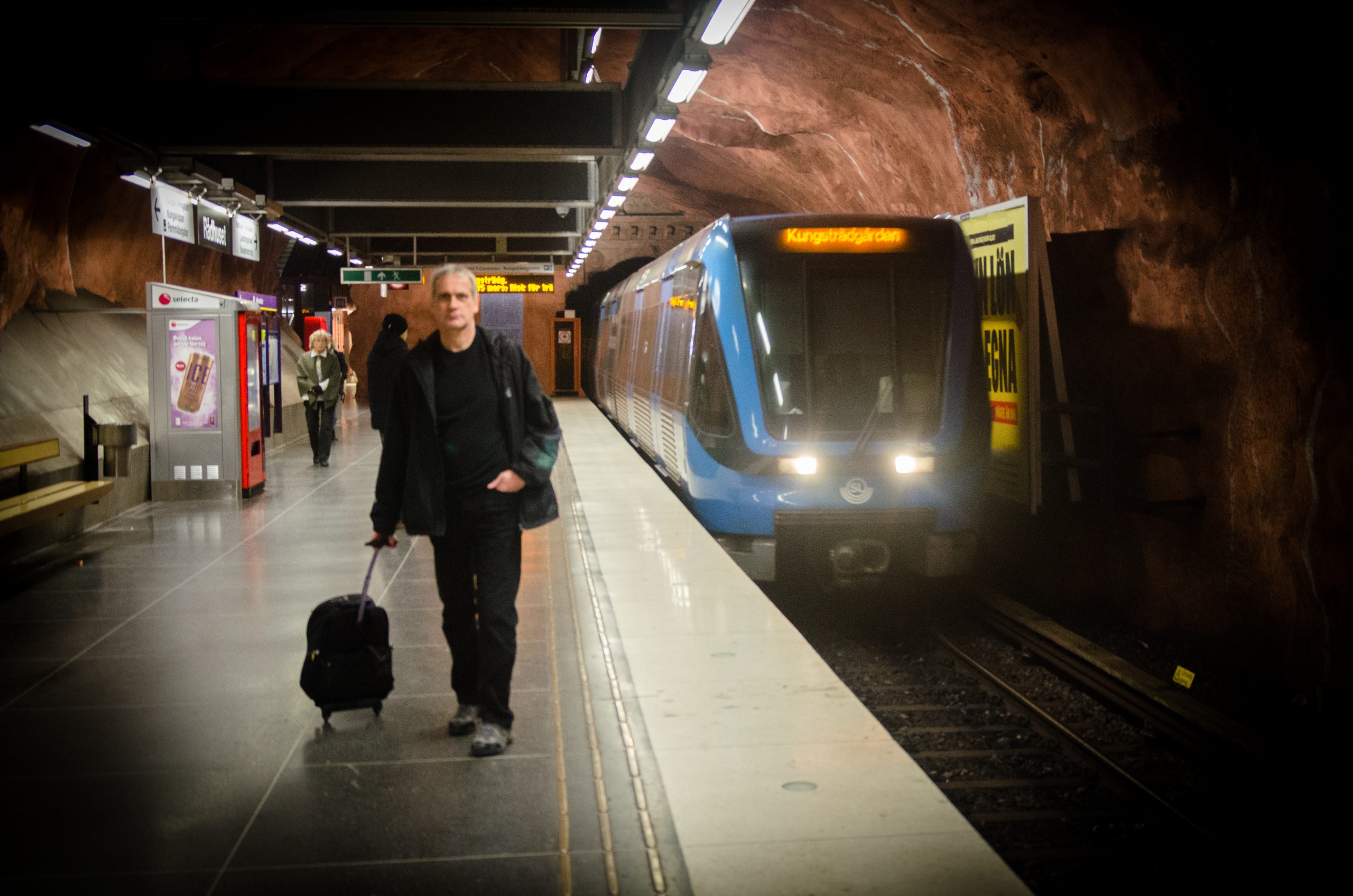
Cabin rucksack with wheels
For years, one of my favourite pieces of cabin luggage was a rucksack with wheels. In airports and railway stations I could pull it behind me, but on cobbled streets, steps and uneven pavements I could put it on my back and carry it like a normal rucksack.
This photograph was taken in Stockholm while I was travelling for work. It shows exactly why I liked this type of bag: wheels when the ground was smooth, shoulder straps when it was not.
Paid link
GaN international travel adaptor
When I was travelling around Europe for conferences, I often had several things that needed charging at the same time. My phone was essential, but there could also be other devices and equipment that needed to be ready for the following day’s event.
I preferred a solid international adaptor with several charging ports rather than carrying a collection of separate plugs and chargers. The GaN adaptor I used provides one USB-A and three USB-C charging ports, so several devices can be charged from one hotel socket at the same time.
It is not the smallest or lightest adaptor you can buy. At around 290g, it weighs roughly as much as a medium-sized mango. But that extra weight gives it a reassuringly solid feel, and for me reliability mattered more than saving a few grams.
Paid link
High-capacity power bank with built-in cables
A good power bank became one of those things I did not want to travel without. When your phone is handling boarding passes, maps, messages, hotel details and travel tickets, a flat battery can quickly become a serious inconvenience.
This Anker 25,000mAh power bank is particularly useful because the charging cables are built in. One retracts into the body and another doubles as a carry loop, which means fewer separate leads to pack. The build quality feels excellent too — solid, robust and made for travelling.
For me, the biggest advantage is independence. No hunting around an airport lounge for a working socket, relying on an unfamiliar public USB port or discovering that the only convenient hotel socket is nowhere near where you want your phone.
One important flying point: power banks containing lithium batteries must travel in your cabin baggage rather than checked luggage. The battery specification and compliance information are marked on the casing, which is useful if airport or airline staff need to inspect it.
Paid link
Airline rules can vary. Always check your airline’s current battery and power-bank limits before travelling.
Rechargeable luggage tracker
I used this type of tracker around Europe and found the location updates accurate and reassuring, particularly when travelling with luggage that I did not want to lose sight of.
The UGREEN FineTrack is extremely compact, easy to carry and rechargeable by USB-C. That matters to me because many trackers of this type rely on a replaceable battery that needs changing roughly once a year.
With a quoted battery life of up to 12 months between charges, the USB-C charging option makes it much easier to maintain as part of a regular travel kit. You can simply recharge it alongside the rest of your devices rather than remembering to buy another specialist battery.
I also like that this comes as a pack of four. That gives you the option of using separate trackers for luggage, a backpack or other important items without buying each one individually.
Paid link
Packing cubes for carry-on travel
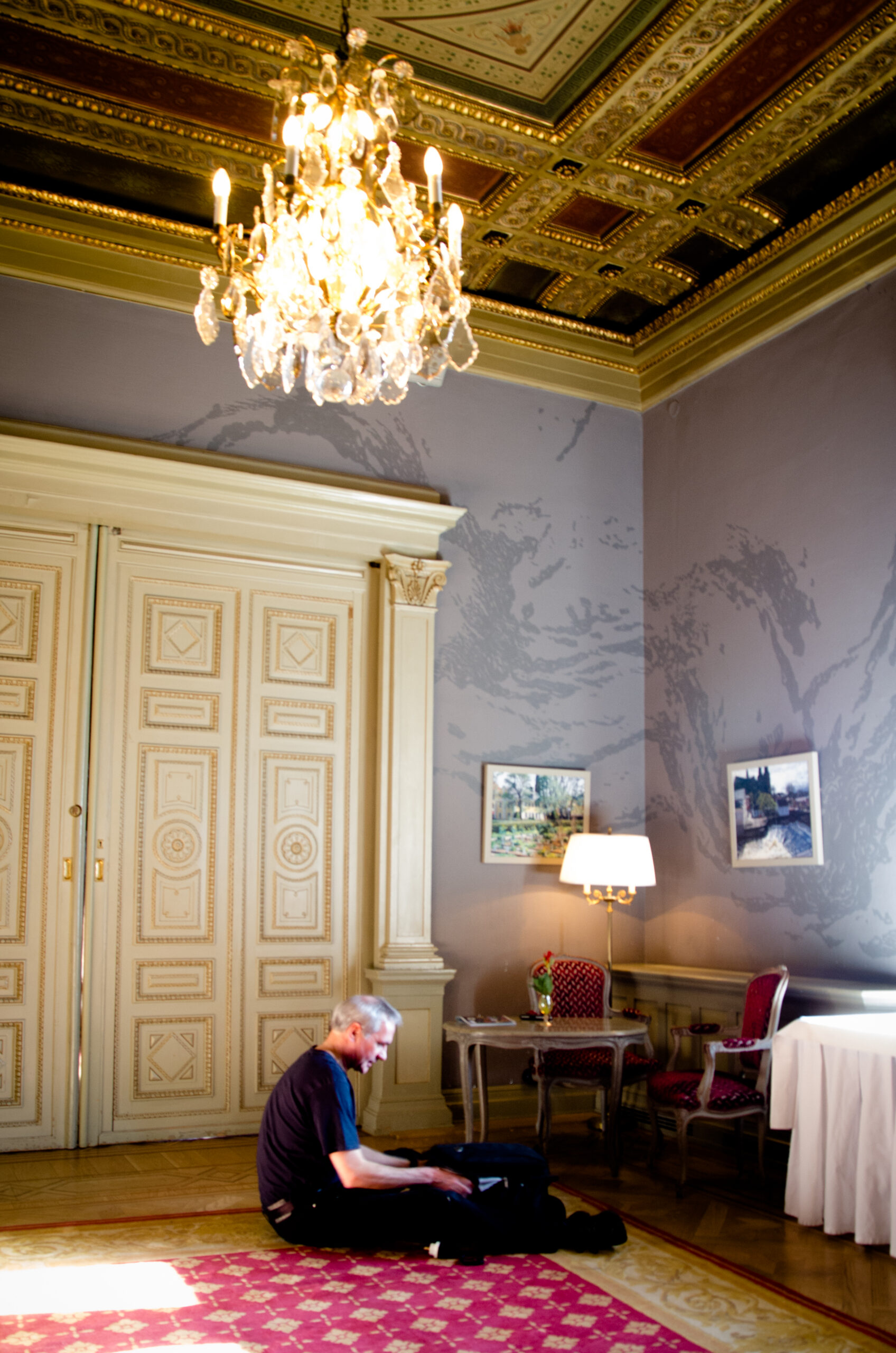
I nearly always travelled with carry-on cabin luggage only. When I arrived in a European city for a conference, I often needed to get straight to the venue to begin the get-in and technical setup. Waiting at baggage reclaim was time I simply did not want to lose.
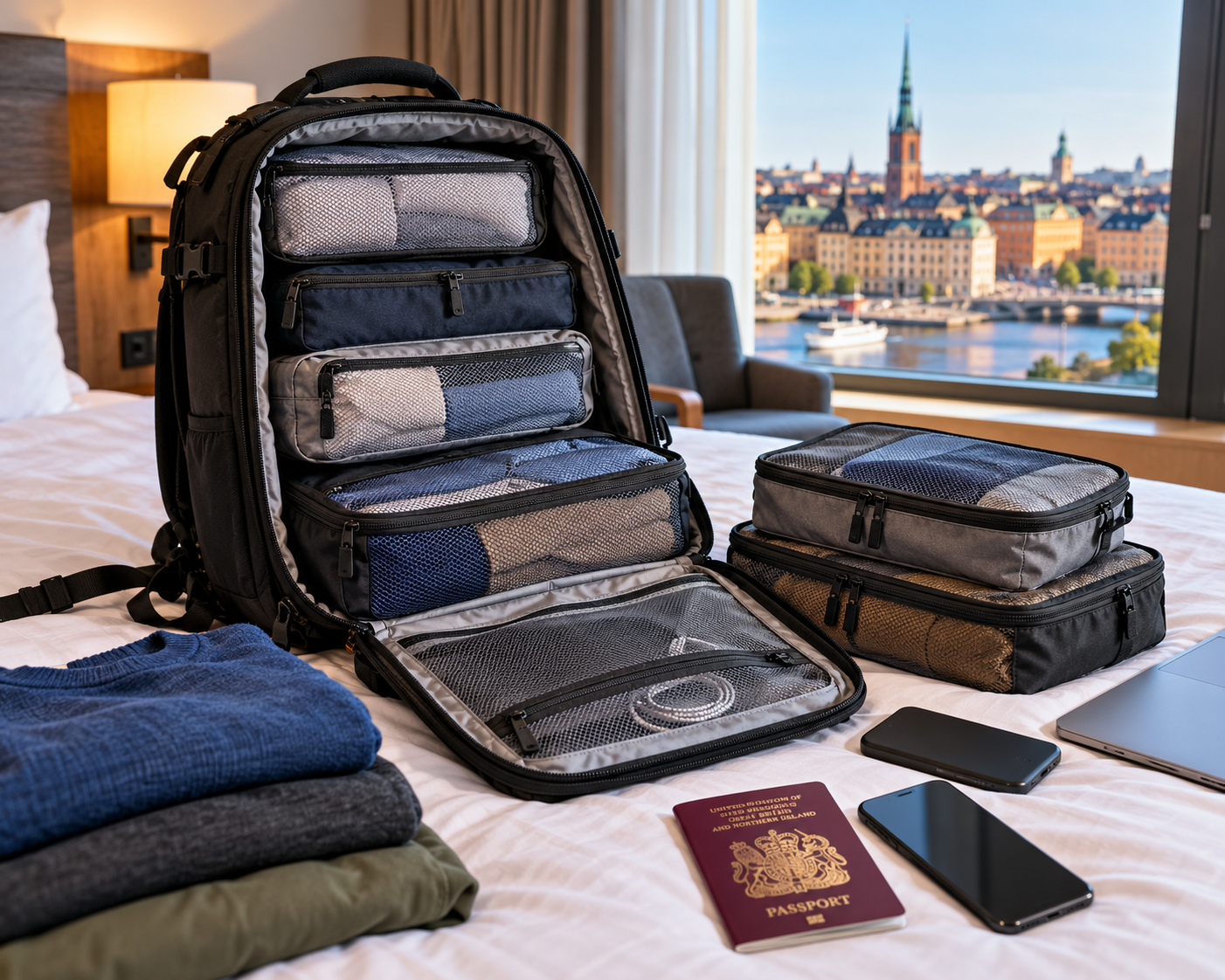
Packing cubes became one of the most useful ways of making that work. They compress a surprisingly large amount of clothing and make it much easier to organise everything inside a rucksack or small cabin bag.
I have used them on European work trips where I managed to pack an entire four-day trip into a backpack. The compression made a real difference, particularly when space was tight, and the sturdy zips have held up well for me over many events.
Travelling with carry-on luggage only meant making every bit of space count. Packing cubes helped me organise and compress enough clothing for several days without checking a bag into the hold.
Paid link
High-quality USB-C charging cables — and always a spare
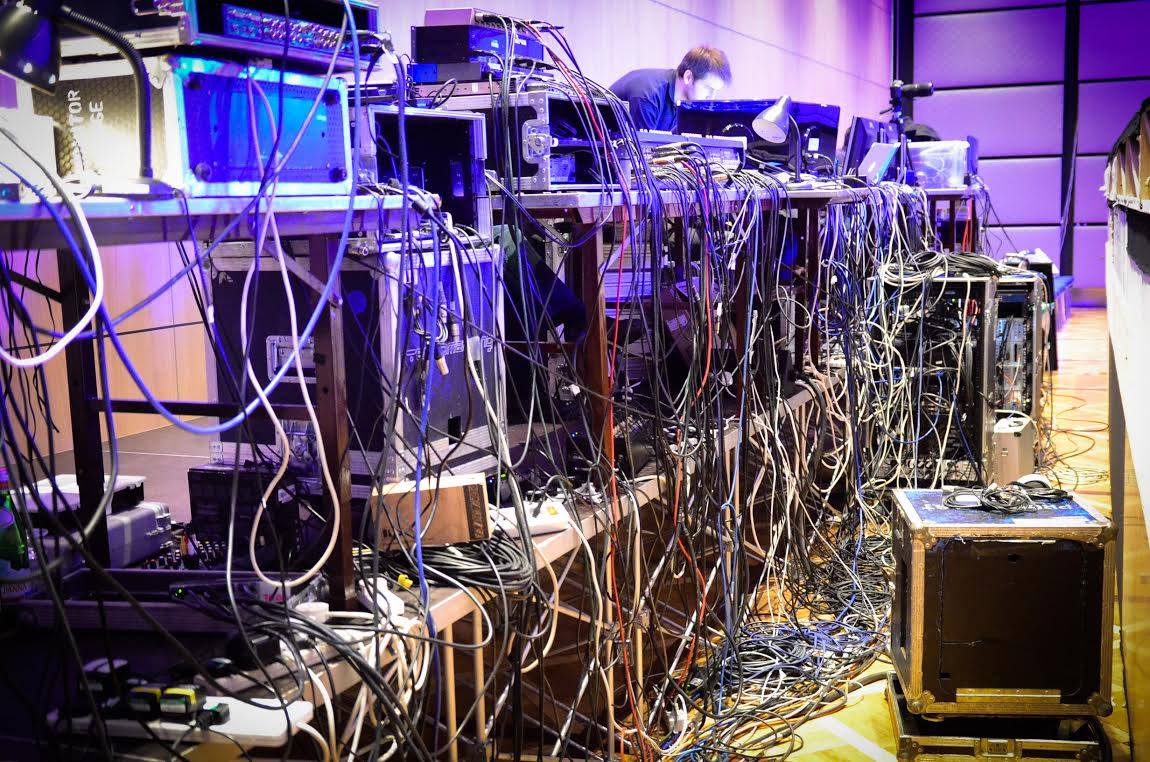
I always travelled with spare charging cables, and I never trusted the cheapest ones I could find. Cables were too important to my work for that. In event production, a failed cable can cause a much bigger problem than its price suggests, and I carried exactly the same attitude into my personal travel kit.
An event setup in Rome — a reminder of why I learned never to compromise on cables. Before the delegates arrived, we placed large black show-hide flats in front of all this cabling so the finished room looked clean and professional.
This INIU pack makes particular sense to me because you get two 2-metre USB-C to USB-C cables in one package. One cable goes into use and the other becomes the spare — exactly how I preferred to travel.
The cables are rated up to 240W, making them suitable for demanding USB-C devices as well as phones, tablets, earbuds and compatible laptops. The nylon-braided construction is also the sort of thing I look for in a travel cable because it has to survive being packed, unpacked, coiled and used repeatedly.
The 2-metre length is useful too. Hotel sockets are not always conveniently positioned beside the bed or desk, and a little extra cable length can make the difference between putting your phone somewhere sensible and balancing it in an awkward corner of the room.
Paid link
Travel cable organiser for the small essentials
I have always preferred keeping the important small items together rather than scattering them through several pockets and bags. A travel organiser like this makes that much easier.
The FYY organiser is sturdy and well made, with strong zips and enough space for more than just charging cables. I could fit both of my phones inside, along with chargers, USB drives and other travel bits and pieces.
I also like having somewhere secure for the things I may need quickly while travelling, such as insurance documents, cards and passports. Keeping those items together reduces the amount of rummaging around when you are at an airport, railway station or hotel reception.
Paid link
Compact digital luggage scale
A luggage scale is one of those small travel items that can pay for itself very quickly. Avoiding even one overweight baggage fee can easily justify carrying one.
The FREETOO scale is very easy to use. Clip it onto the suitcase handle, lift the bag, and you get a clear reading almost immediately. The display is bright and easy to read, and the tare function is useful when you want a more accurate measurement.
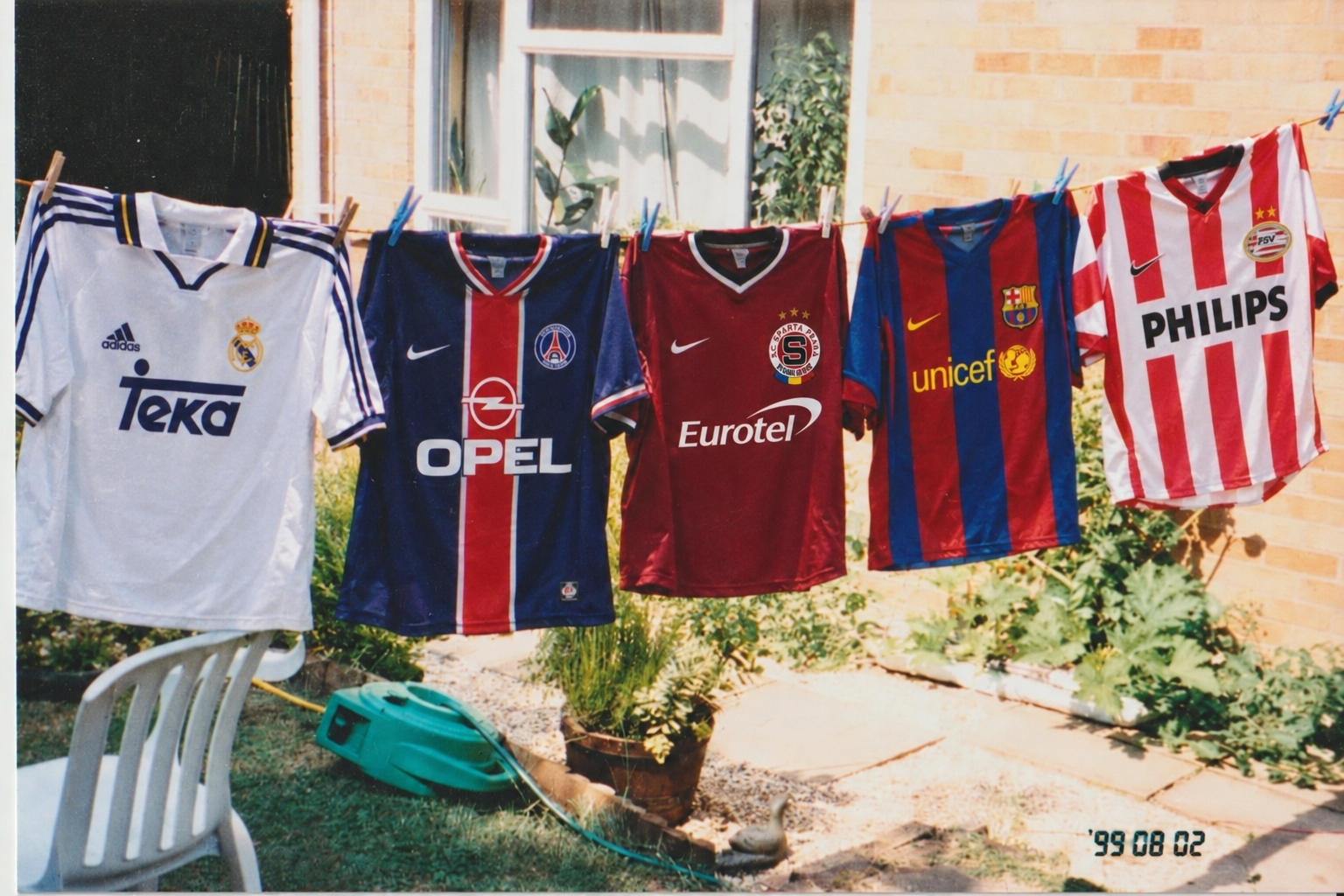
One thing I often brought home for my son was a football shirt from the city I was visiting. That made it even more important to check my luggage weight before the journey home.
Checking the weight was just as important before the return trip. Football shirts, gifts and other things I picked up along the way could easily make a bag heavier than it had been on the outward journey.
Because the scale is compact and lightweight, it was easy to keep it in my hand luggage and check the weight again in the hotel before heading for the airport. That was much better than discovering at the check-in desk that I had gone over the airline’s allowance.
The build quality feels solid, and the strap is strong enough to handle heavier cases without feeling flimsy. With a capacity of up to 50kg, it is more than enough for normal airline luggage.
Lessons From the Road
I did not learn to travel light overnight
Working in technical production meant I spent years surrounded by equipment. It is very easy for that mentality to follow you into personal travel: another cable, another adaptor, another device, another bag “just in case”.
Eventually I learned that good travel preparation is not about having everything. It is about having the right things.
That is the principle behind the recommendations on this page.
Conference Travel
What happens when the journey is for work?
Conference travel adds another layer. There are some things that a holiday traveller can live without but a delegate, speaker or event professional may genuinely need.
I will cover these separately in my upcoming guide: What I Pack for a European Conference After 35 Years on the Road. I do not want to turn this page into an enormous shopping list.
Explore More
Travel advice based on the journeys behind the equipment
Products are only a small part of travelling well. My European travel and conference articles draw on more than 35 years of actually making these journeys.
European Travel Articles
Practical city advice, personal experience and the places I discovered while travelling around Europe for work.
European Conference Intelligence
Conference planning, venues, AV, production and practical lessons from decades working behind the scenes.
About the Amazon links on this page
As an Amazon Associate I earn from qualifying purchases.
Some links on this page are Amazon affiliate links. If you click one of those links and make a qualifying purchase, I may receive a small commission. This does not normally increase the price you pay.
My aim is not to recommend as many products as possible. I want this page to remain a useful collection of practical travel items that solve problems I recognise from my own years travelling around Europe.
Buy less. Carry better.
After more than 35 years travelling around Europe, I do not believe good travel requires a suitcase full of gadgets.
A reliable charger. A bag you can comfortably move. A phone that still has power when you need your ticket. A few simple ways to keep everything organised.
Those are the kinds of things worth carrying.