
The practical reality
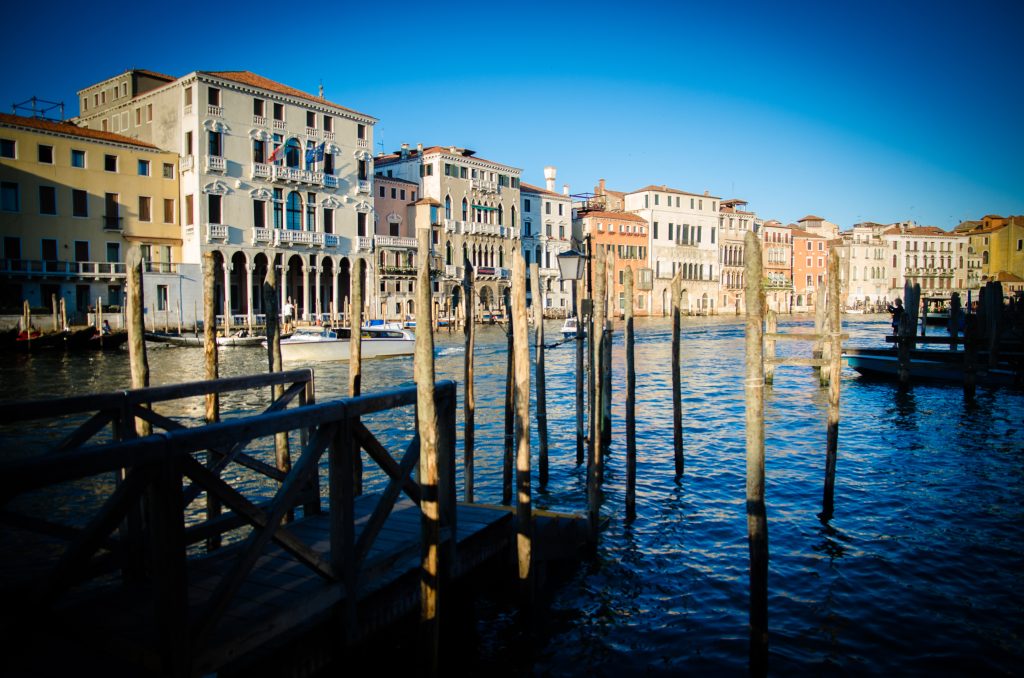
Venice is straightforward to visit once you understand its physical layout. It is not a conventional city with roads linking every sight: the historic centre is a network of narrow lanes, bridges, squares and canals. For a first visit, plan less around ticking off attractions and more around arrival, walking, luggage, timing and where you base yourself. Two or three nights gives most people enough time to see the main areas without turning the trip into a rushed checklist.
Arriving without confusion
Most UK visitors arrive through Marco Polo Airport, by train, or on a day excursion from elsewhere in Italy. From the airport, options include the airport bus to Piazzale Roma, a land taxi, or a water taxi; compare convenience, cost and how much luggage you have. If you arrive by train, Venezia Santa Lucia is beside the historic centre. Do not confuse it with Mestre, on the mainland: Mestre can be useful for accommodation, but requires onward travel.
Walking is the main transport
Walking will usually be your most useful way to explore Venice. Distances can look short on a map, yet bridges, one-way pedestrian routes and confusing junctions make journeys slower than expected. Comfortable shoes are more important than fashionable footwear, and a small bag is easier to manage than a large case.
Vaporetto water buses are valuable for longer journeys and for reaching islands such as Murano, Burano or Lido. Buy the correct ticket or travel pass from an official point, and validate or activate it as instructed. Routes, fares and operating arrangements can change, so check current information before departure. Do not assume a water taxi is an economical everyday option; it is private transport and can be expensive.
Allow extra time when meeting someone. A precise street address does not always translate neatly into an obvious entrance, especially around busy squares. For events, tours or restaurant reservations, aim to arrive early rather than relying on a final-minute crossing of the city.
Choose your base carefully
Staying in the historic centre makes early mornings and evenings easier, but convenience varies considerably between neighbourhoods. San Marco is central and busy. Cannaregio can offer a calmer base while remaining well connected. Dorsoduro is popular with visitors interested in galleries and a less commercial atmosphere, while Santa Croce is practical for access to Piazzale Roma and the railway station.
Look beyond the nightly rate. Check the number of stairs, whether the property has a lift, how far it is from a vaporetto stop, and whether staff provide clear arrival instructions. A cheap room becomes less attractive when you must carry luggage across several bridges. If you choose Mestre, treat it as a separate base rather than assuming you are staying on the island.
Timing makes a noticeable difference
Venice is most demanding when everyone is moving through the same small areas at once. Start popular sights early, then use the middle of the day for less concentrated neighbourhoods, lunch, or a rest. Late afternoon and evening can be rewarding, but check return transport if you are staying outside the centre.
Spring and autumn can be comfortable choices, although weather is never guaranteed. Summer brings longer daylight but often more heat, crowds and higher demand. Winter may feel quieter, yet shorter days and occasional high-water conditions can affect plans. Check official travel information and attraction websites shortly before leaving the UK, especially for timed entry, local access measures and transport changes.
Common first-visit mistakes
- Trying to see every major sight in one day. Choose a few priorities and leave room to wander.
- Packing a heavy suitcase. Bridges and uneven paving make luggage tiring.
- Treating Google Maps’ walking time as exact. Add generous margins for crossings and navigation.
- Ignoring booking requirements. Check official attraction pages for current arrangements before travelling.
- Eating directly beside the busiest landmarks without comparing menus and prices.
- Assuming every photograph shows ordinary daily life. Respect residents, private entrances and local quiet hours.
Physical access and comfort
Venice can be physically demanding. Even a short day may involve substantial walking, steps and standing. Travellers with mobility limitations should research routes, bridges, accessible vaporetto stops and accommodation access before booking. Assistance may be available, but it should be arranged through the relevant official service rather than assumed on arrival.
Flooding and high-water conditions can temporarily affect streets and entrances. Pack footwear that copes with wet paving, and keep essential medication and documents protected. A flexible itinerary is sensible for everyone.
Budget realistically
Costs depend heavily on season, location and transport choices. Build a budget for airport transfers, vaporetto travel, attraction reservations, meals and possible luggage-related transfers. Carry a small amount of backup payment, but use normal security precautions in crowded areas. For current fares, access rules and visitor charges, rely on official sources rather than old blog posts.
Plan for a slower Venice
The best first visit is not the one with the longest attraction list. It is the one with a sensible base, manageable luggage, realistic walking times and enough flexibility to enjoy the city between appointments. For more practical European travel guidance, explore the European Travel Articles on this website.