
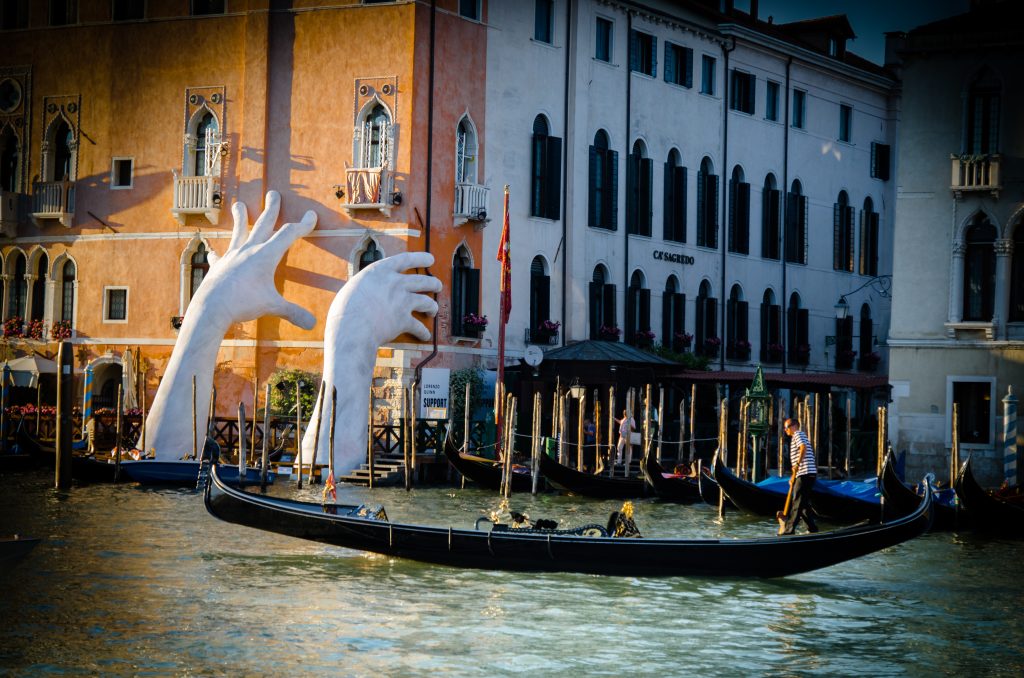
For most UK travellers, the best time to visit Venice is late April to early June or September to early October.
Those periods usually give you the best balance of comfortable walking weather, useful daylight and a city that is busy without necessarily feeling as intense as it can in July and August.
But there is no single “best” month for everybody. Venice in February is a very different trip from Venice in June, and that can be a good thing. The right time depends on what matters most to you: warmer weather, fewer crowds, lower costs, photography, festivals or simply having enough energy to explore properly.
My practical approach is simple: choose the time of year that makes Venice easier for the type of trip you actually want to have.
Why spring is one of the best times to visit Venice
April and May are excellent choices for a first visit The days are getting longer, temperatures are generally more comfortable for walking, and you can spend much more of the day outdoors without dealing with the strongest summer heat. That matters in Venice because sightseeing involves a lot of walking. A distance that looks short on a map may involve bridges, narrow streets, crowded squares and the occasional wrong turn.
Spring also gives you more flexibility. You can spend several hours exploring on foot, stop for lunch, visit an indoor attraction and continue into the evening without having to structure the whole day around escaping the midday heat.
There are still trade-offs.
Rain is possible, evenings can be cool and popular weekends can be busy. UK bank holidays can also push up flight and accommodation prices, so compare the exact dates rather than assuming all of April or May offers the same value. If I were choosing a straightforward first Venice city break, May would be high on my list.
Is June a good time to visit?
Early June can be very good. You benefit from long daylight hours and warmer evenings while potentially avoiding some of the intensity of the main school-holiday period. It is particularly useful if you want to combine the main sights with time in quieter districts or an evening vaporetto journey without feeling that the day has ended too quickly. Later in June, however, heat and visitor numbers can begin to increase noticeably.
If you are travelling then, I would avoid planning every major attraction between late morning and mid-afternoon. Start earlier, give yourself some indoor time during the hottest part of the day and leave room for a slower evening. Venice rewards a flexible schedule much more than an overfilled one.
July and August: possible, but not my first choice
Venice is certainly visitable in July and August, but these would not be my first recommendation for a sightseeing-focused city break.
You are likely to encounter:
- higher temperatures
- strong sun
- large visitor numbers
- busier bridges and vaporetto stops
- heavier pressure on accommodation
- more tiring walking conditions
The challenge is not simply that Venice is “busy”. It is that the city’s layout concentrates people into relatively small spaces. A crowded bridge, narrow calle or vaporetto platform feels very different from a busy boulevard in a conventional city. If summer is your only option, it can still work well. Start sightseeing early, make restaurant reservations where appropriate, carry water and avoid treating midday as the best time to cross the city repeatedly. The long evenings are a major advantage, and Venice can feel quite different once the largest daytime crowds begin to thin.
September: one of the strongest choices
September is another excellent month for UK travellers. The city often retains much of the warmth of summer, but walking can become more comfortable as the month progresses. It is particularly attractive if you like the idea of evening meals outdoors, later walks and plenty of usable daylight without choosing the absolute height of summer. But do not assume September is automatically quiet. Venice has a busy cultural calendar, and important events can affect hotel demand and visitor numbers. Check your exact travel dates before booking rather than relying on general seasonal advice.
For many travellers, however, September offers one of the best overall compromises between weather and experience.
October: cooler, quieter and more atmospheric
October suits travellers who care more about exploring than sitting in guaranteed sunshine. Temperatures are cooler, daylight is reducing and rain becomes more of a consideration. But walking is often easier, and the city can have a more relaxed rhythm than during summer. For photography, museums, churches and slower exploration, that can be a very good trade. Pack for changeable weather rather than expecting a Mediterranean summer break. A lightweight waterproof layer and comfortable footwear will be much more useful than trying to predict a perfectly dry three-day window several months in advance.
Early October is particularly worth considering if you want a balance between reasonable daylight and a less intense sightseeing environment.
Should you visit Venice in winter?
Yes — if you understand what kind of trip you are choosing. From November through March you can expect shorter days, cooler temperatures and a greater chance of unsettled weather. But winter Venice has advantages. There may be less pressure on some parts of the city, accommodation can sometimes be better value outside major events, and museums, churches and food become a bigger part of the trip rather than something fitted around hours of outdoor sightseeing.
The main issue to understand is acqua alta, the exceptional high-water conditions that can affect parts of Venice. It is not correct to think of Venice as simply “flooded all winter”. Conditions vary, and local management systems have changed how some high-water events affect the city. But if you travel in the wetter months, check current local information shortly before departure and keep some flexibility in your plans.
What about Venice Carnival?
Carnival can be a reason to visit Venice rather than something to avoid. But it changes the nature of the trip. Expect greater demand, more visitors around key locations and potentially higher accommodation costs. If the masks, costumes and atmosphere are central to why you want to go, that can be worthwhile. If your priority is a quiet first visit to Venice’s main sights, the busiest Carnival period may not be the best introduction. The same principle applies to other major events. A city event does not automatically make a date “bad”. It simply means you need to understand what you are booking into.
The best time for lower prices
There is no guaranteed cheapest month because flights and hotel rates respond to events, weekends, UK school holidays and demand. However, November, January and parts of February can be worth comparing if price is a major consideration. I would compare the total cost of the trip, not just the airfare. A £40 saving on a flight is not particularly helpful if it puts you into an awkward arrival time, forces an expensive transfer or leaves you paying much more for accommodation.
Look at:
- flights
- baggage
- airport transfers
- hotel rates
- vaporetto costs
- arrival and departure times
That gives you a much more realistic picture of value.
Think about your arrival airport
For UK travellers, the airport and arrival time can make a surprising difference to a short Venice break. Venice Marco Polo is the principal airport, while some services use Treviso. Neither means you simply walk out of the terminal and into St Mark’s Square. You need to allow for the onward journey, and then potentially another walk or vaporetto ride to reach your accommodation. On a two- or three-night break, losing half a day to an inconvenient arrival matters. When comparing flights, I would therefore look at usable time in Venice, not simply the cheapest fare. A slightly more expensive flight arriving at a sensible hour may give you much better value overall.
Venice is more physical than the map suggests
This is particularly important when choosing hotter months. Historic Venice is largely pedestrian, and walking involves repeated bridges, steps and uneven surfaces. Add luggage, queues and summer heat and a short distance can become much more tiring than expected. That is one reason I favour spring and early autumn. Good weather in Venice is not simply about blue skies. It is about having conditions in which you can comfortably explore for several hours. If you have mobility concerns, also investigate accommodation access carefully. A short route on a map can still include several bridges.
Best months for different types of traveller
For a first visit, I would choose May, early June, September or early October. For warmer evenings, September is particularly attractive. For quieter sightseeing, look at late autumn or winter outside major events. For photography and atmosphere, October through winter can offer something very different from the bright summer version of the city. For families, late spring or early September may be easier than the hottest weeks of July and August. For a short weekend from the UK, prioritise good flight times and comfortable walking conditions rather than chasing the theoretically cheapest month.
How long should you stay?
For most first-time visitors, three days is a very good starting point. That gives you enough time for the main sights without having to turn every hour into a reservation. Two days can work, but it requires more discipline. Four days gives you room for slower exploration, museums or one of the lagoon islands. The season matters here too. Three days of comfortable May weather can feel very different from trying to cover the same ground during an August heatwave or a wet November weekend.
My recommendation for UK travellers
If you have flexibility, I would narrow the choice to: Late April to May for comfortable sightseeing and spring conditions. Early June for longer days and warmer evenings before the busiest part of summer. September for one of the best overall combinations of warmth, daylight and atmosphere. Early October if you prefer cooler walking conditions and are comfortable accepting a little more weather risk.
I would choose July or August only if summer dates are important to you, and I would choose winter deliberately rather than simply because the flights were cheaper. The best time to visit Venice is ultimately the period that allows you to enjoy the city at the pace you want. Venice is not a destination that benefits from rushing. Give yourself time to walk, get slightly lost, take a vaporetto when your feet have had enough and occasionally abandon the itinerary because something more interesting has appeared around the next corner.
Plan your Venice trip
For more practical European city advice, explore my other European Travel Articles, where I focus on realistic planning for UK travellers rather than simply listing attractions.
And if you’re planning your first visit, you may also find How Many Days Do You Need in Venice? useful for deciding how long to stay.