
Lausanne Travel Guide for Business Travellers and Short-Stay Visitors
Lausanne is a city that rewards a little advance planning.
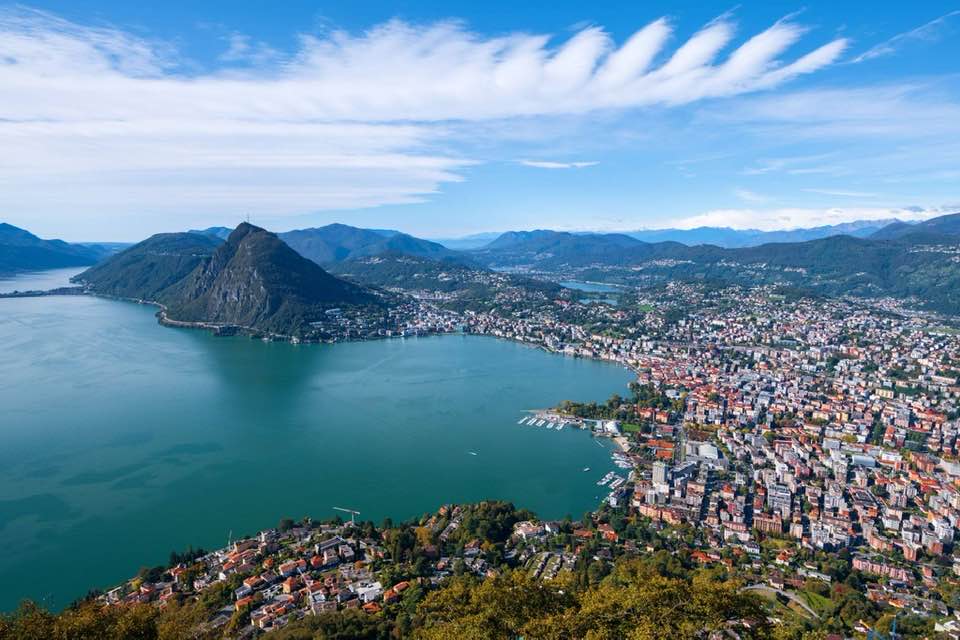
On a map, its historic centre, railway station, conference venues and lakeside districts can appear conveniently close together. In practice, Lausanne rises steeply from Lake Geneva, with streets, stairways and neighbourhoods spread across several levels. A ten-minute walk may be straightforward in one direction and a considerable climb on the return journey.
That does not make Lausanne difficult to explore. It simply means that knowing when to walk, when to take the metro and how to group places together can transform a short visit.
I have worked regularly in Lausanne since 2011, managing conferences and events involving delegates, speakers, exhibitors, suppliers and production teams. During those visits, I was often asked the same practical questions.
Where can we go after the final session? Is there enough time to see the lake before dinner? Which part of the city is best for a free afternoon? Can we reach the Old Town without climbing all the way from the station? Where can a small group find a relaxed meal after a long event day?
Whenever my schedule allowed, I stayed for an additional day or two and explored more of the city. Over time, I built up notes about useful routes, neighbourhoods, museums, restaurants, viewpoints and easy excursions. This Lausanne travel series has grown from those notes.
It is written primarily for people who are visiting Lausanne for work but would like to experience something of the city beyond their hotel, venue or meeting room.
Making the Most of Limited Time in Lausanne
Many conventional travel guides assume that visitors have several uninterrupted days available. Business travellers rarely do.
You may have an hour before a train, one free evening after a conference, half a day between commitments or a Sunday before flying home. You may be travelling alone, accompanying colleagues or trying to organise something informal for a small group of delegates.
The articles in this series are designed around those real situations.
Rather than presenting one long list of attractions, I will help you understand which parts of Lausanne work well together and how much time you should realistically allow. A lakeside walk in Ouchy, for example, can fit comfortably into a free evening. Exploring La Cité, the cathedral and the streets around Place de la Palud usually requires more time and involves steeper ground.
The aim is not to rush through as many sights as possible. It is to help you make a good choice based on the time, weather and energy you actually have.
Understanding Lausanne’s Neighbourhoods
Lausanne does not feel like one uniform city. Its districts have distinct characters, and moving between them can change the atmosphere surprisingly quickly.
Ouchy offers the lake, open views and space to unwind after a day indoors. La Cité contains the cathedral, historic streets and some of the city’s most recognisable architecture. Flon is a former industrial district that has become a centre for restaurants, bars, entertainment and contemporary urban life.
Sous-Gare, below the railway station, has a more residential atmosphere, with cafés, parks and attractive streets. Vidy provides lakeside walks, sports facilities and green spaces. Further out, places such as Sauvabelin offer woodland and extensive views over Lausanne, Lake Geneva and the surrounding landscape.
The neighbourhood articles will explain what each area is best for, how to reach it and whether it is realistic for a short visit. They will also point out where Lausanne’s hills, steps and changes in elevation may affect your plans.
Eating and Drinking Without Falling Into the Usual Traps
Delegates frequently asked me where they could try Swiss food without committing to an overly formal or expensive evening.
The food articles will cover traditional restaurants, bakeries, markets, cafés, chocolate shops and practical lunch options. They will also look at fondue etiquette, local wines, casual after-work drinks and places suitable for solo visitors or small groups.
Not every meal during a work trip needs to become a major occasion. Sometimes the most useful recommendation is a reliable bakery near your route, a quick lunch before the next session or a café where you can sit quietly with a laptop.
Where details such as opening hours, prices, menus or booking arrangements may change, these should always be checked directly with the venue before travelling.
Using Lausanne’s Public Transport
The M2 metro is one of the most useful tools for exploring Lausanne. It connects the lakeside at Ouchy with the railway station, Flon, the city centre and districts further uphill.
For business travellers, it can save both time and energy. It is particularly helpful after a long day on your feet or when travelling with luggage, exhibition materials or equipment.
The transport guides will explain how the metro, buses and regional trains connect the main parts of the city. They will also cover tickets, hotel transport cards, useful interchanges and common mistakes.
Walking remains one of the best ways to discover Lausanne, but the sensible approach is often to use public transport for the steepest section and walk downhill or across the flatter parts of a district.
Culture, Parks and Time by the Lake
Lausanne offers far more than conference facilities and international organisations.
Its museums include the Olympic Museum, Plateforme 10 and the Collection de l’Art Brut. The city also has historic buildings, public art, independent cultural venues, parks and an extensive lakeside.
For anyone who has spent several days inside a meeting venue, the simplest pleasure may be a walk beside Lake Geneva, a quiet hour in a park or an evening drink overlooking the water.
The series will suggest cultural visits for different schedules, including rainy afternoons, free evenings and additional days after an event. It will also include outdoor options such as Ouchy, Vidy, Sauvabelin and excursions into the Lavaux vineyards.
Practical Advice Rather Than Perfect Itineraries
Travel plans often change during conferences.
Sessions overrun. Meetings are added. The weather turns. A group that planned to visit a museum may decide it would rather sit beside the lake.
For that reason, these articles will offer flexible suggestions rather than rigid schedules. You will find ideas for a spare hour, half a day, an evening or an additional weekend.
They will also address practical matters that polished tourism descriptions sometimes overlook: steep routes, Sunday closures, suitable footwear, accessibility, travelling with children, dining alone and finding somewhere that works for colleagues with different budgets.
You do not need fluent French to visit Lausanne, although greeting people with a simple “Bonjour” is always a good start. English is commonly understood in hotels, major attractions and many restaurants, but a few polite French phrases can make everyday encounters easier.
A Guide Based on Repeated Working Visits
I do not write as a lifelong Lausanne resident. My perspective is that of someone who has returned repeatedly for work, completed demanding events and then used the available time to understand the city better.
That distinction matters.
Business visitors experience destinations differently from holidaymakers. We notice early breakfast options, transport connections, places suitable for informal meetings and routes that still feel manageable at the end of a fourteen-hour event day.
The purpose of this guide is to share that practical experience.
Some readers will have only one free evening. Others may be planning an event and looking for ideas to give delegates. Some will stay for an extra weekend and use Lausanne as a base for exploring Lake Geneva and the surrounding region.
Whatever your schedule, the best approach is to choose one or two areas and experience them properly. Use the metro to overcome the hills, allow time to stop for coffee or food, and do not assume that every worthwhile part of Lausanne lies beside the main tourist route.
Lausanne may be compact, but it has many layers. With a little local understanding and realistic planning, even a short work trip can leave room for the lake, the Old Town, a good meal and a much clearer sense of the city.