
Why So Many Conferences Fail Before They Even Begin: Understanding Event Planning DNA
After more than 35 years working across conferences, corporate events and exhibitions throughout Europe, I’ve noticed that many event problems start long before the first delegate arrives. The mistake isn’t usually poor catering, faulty technology or a delayed speaker. The real problem is that organisers often misunderstand what type of event they are actually running.
At first glance, a medical congress in Vienna, a sales incentive in Barcelona and a corporate roadshow in Berlin may look similar. They all involve delegates, meeting rooms, presentations and logistics. In reality, they are completely different machines.
Every Event Has a Different Purpose
One of the most important lessons I learned working in conference centres and hotels across Europe is that successful events are designed around a clear purpose. When organisers lose sight of that purpose, budgets get wasted on the wrong priorities. I often describe conferences as having their own operational DNA.
Just as a Formula One car and a city bus are both vehicles but built for different jobs, conferences may use similar venues and technology while serving completely different goals.
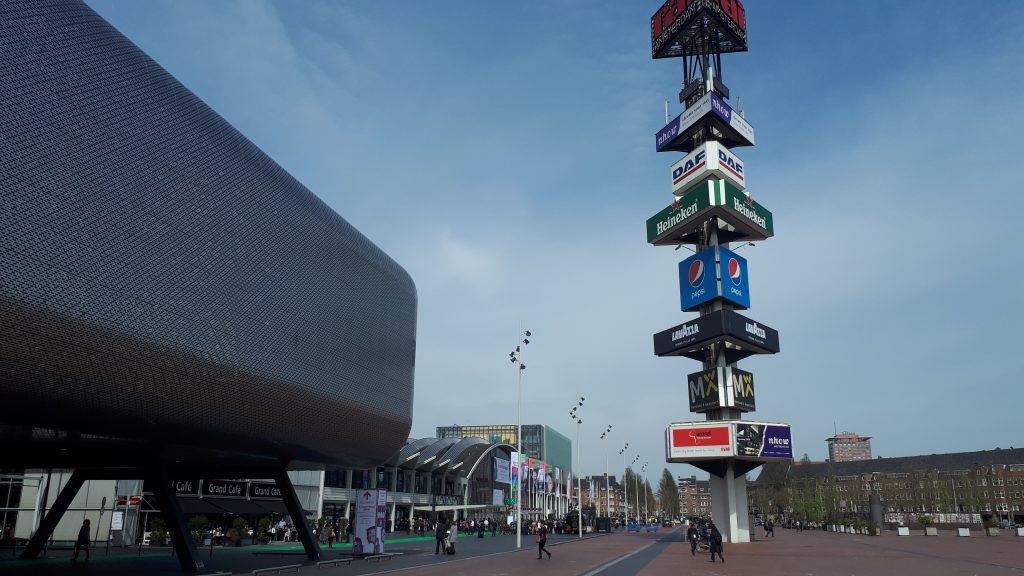
RAI Amsterdam
Postbus 77777, 1070 MS Amsterdam
Europaplein 24, 1078 GZ Amsterdam
This lesson is explored in greater detail in my book, The European Conference Survival Guide: How to Plan and Deliver Successful Events Across Europe Without Expensive Mistakes. Read more…
Before planning begins, organisers should ask a simple question:
What is this event supposed to change?
The answer determines everything that follows.
The Four Main Types of Conferences
1. Association Congresses
These events exist to share knowledge.
Medical congresses, scientific meetings and professional association conferences fall into this category.
The priority is content.
Delegates care about presentations, workshops, speakers and research findings.
In these events, reliable technology is far more important than luxury hospitality.
A failed presentation can damage the reputation of an entire conference.
2. Sales Incentive Events
These events are designed to reward achievement.
The goal is emotional rather than educational.
Luxury hotels, memorable dinners and unique experiences become part of the programme.
Delegates should leave feeling appreciated, motivated and loyal to the organisation.
3. Corporate Roadshows
I’ve worked on many roadshows throughout Europe.
These events are all about consistency.
The same message needs to be delivered across multiple cities, often within days of each other.
The challenge isn’t luxury.
The challenge is efficiency.
Equipment, staff and schedules must move smoothly from one venue to the next.
4. Executive Meetings
Smaller executive meetings focus on decisions.
Privacy, security and concentration become more important than spectacle.
The best venue is often the one nobody notices because everything simply works.
The Most Expensive Mistake
One mistake appears again and again. Organisers spend money on things delegates don’t actually value. I’ve seen budgets allocated to decorative displays, expensive gifts and elaborate receptions while critical technical requirements were overlooked.
If delegates need reliable software demonstrations, invest in connectivity.
If delegates need education, invest in presentation quality.
If delegates need motivation, invest in memorable experiences.
The event should always support the objective.
A Lesson From Europe
European conferences introduce another layer of complexity. Industries such as healthcare and pharmaceuticals operate under strict compliance rules. A venue that looks perfect in a brochure may be completely unsuitable from a regulatory perspective. Understanding these differences is essential when organising events across multiple European countries. What works in one market may create serious compliance issues in another.
The Conference Question Every Organiser Should Ask
Before committing budget, venues or suppliers, ask:
What do I want delegates to know, feel, buy or do when they leave?
The answer acts as a compass for every decision that follows.
When the purpose is clear, planning becomes simpler.
When the purpose is unclear, costs increase, and results suffer.
After decades spent working behind the scenes at conferences across Europe, I’ve found that successful events are rarely the most expensive. They’re the ones where every decision supports a clearly defined objective. That’s where great conferences begin.
Free Conference Planning Resource
Understanding an event’s Operational DNA is one of the most important lessons I’ve learned from more than 35 years working on conferences, exhibitions, pharmaceutical meetings and corporate events across Europe.
Before planning your next event, download my free:
Conference Planning Category Test
This practical guide will help you:
✓ Identify your event’s true purpose
✓ Match your budget to your objectives
✓ Understand the four conference DNA types
✓ Avoid common planning mistakes
✓ Make better venue and supplier decisions
Whether you’re planning an association congress, sales incentive, roadshow or executive meeting, this framework can help you avoid expensive mistakes before they happen.
Download your free copy and join my email newsletter for more conference planning insights and real-world lessons from Europe.
About The European Conference Survival Guide
This article is adapted from my book:
The European Conference Survival Guide
How to Plan and Deliver Successful Events Across Europe Without Expensive Mistakes
Drawing on more than 35 years of experience working behind the scenes at conferences, exhibitions, pharmaceutical meetings and corporate events throughout Europe, the book shares practical lessons that can help organisers avoid costly errors and deliver successful events.
If you enjoyed this article, you’ll find many more real-world examples, planning frameworks and conference case studies inside the book.